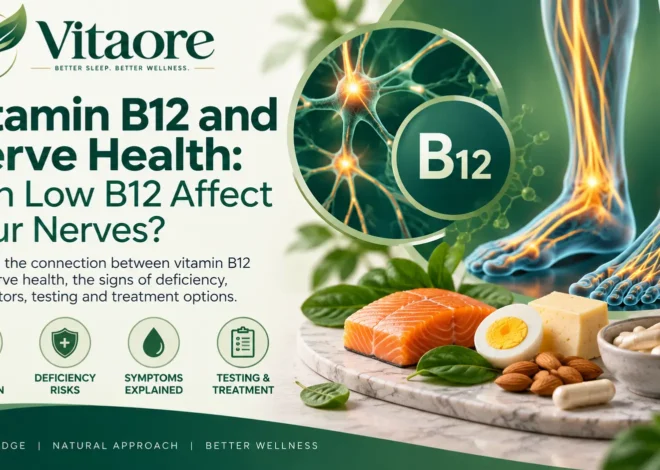

What Vitamin Helps Sciatic Nerve Pain? Best Vitamins for Sciatica Nerve Pain
What vitamin helps sciatic nerve pain? Vitamin B12 is particularly important when a deficiency contributes to nerve symptoms, because it supports normal nerve function and the maintenance of myelin, the protective covering around nerves. Vitamins B1, B6, and D also have important roles in the body, but research has not established that taking these vitamins reliably relieves sciatica.
The best vitamins for sciatica nerve pain depend on your nutritional status and the underlying cause of your symptoms. Correcting a deficiency may help support nerve health, but vitamins cannot necessarily resolve a compressed or irritated nerve. Understanding the difference can help you make informed decisions about nutrition, supplements, and treatment.
What Is Sciatic Nerve Pain?
Sciatica describes pain that travels along the sciatic nerve, typically from the lower back through the buttock and down one leg. Symptoms may include burning pain, tingling, numbness, or weakness in the affected leg or foot.
A herniated disk, spinal stenosis, or another condition that places pressure on spinal nerve roots can cause sciatica. Nutritional deficiencies may also cause nerve-related symptoms, but they are not the usual explanation for mechanically induced sciatica.
According to Mayo Clinic, sciatica often improves over time, although severe or persistent symptoms may require medical assessment.

What Vitamin Helps Sciatic Nerve Pain the Most?
Vitamin B12 is an important nutrient to consider when nerve symptoms may be related to a deficiency. It helps maintain normal neurological function, and inadequate levels can contribute to numbness, tingling, and other neurological changes.
However, there is no single vitamin proven to cure sciatica. If a herniated disk or another structural problem is irritating the sciatic nerve, addressing that underlying cause is essential. Vitamins may be helpful when a deficiency exists, rather than serving as a universal pain treatment.
1. Vitamin B12
Vitamin B12 supports red blood cell formation, normal nerve function, and the maintenance of myelin. When B12 levels are too low, nerve damage can develop, sometimes even without anemia.
People who follow vegan diets, older adults, and individuals with certain digestive conditions or medication-related absorption problems may have an increased risk of deficiency.
Dietary sources include:
- Fish and seafood
- Meat and poultry
- Eggs and dairy products
- Fortified breakfast cereals and other fortified foods
The National Institutes of Health (NIH) explains that B12 deficiency can cause neurological symptoms, including numbness and tingling. A healthcare professional can determine whether testing and supplementation are appropriate.
Key takeaway: B12 supplementation may help correct deficiency-related nerve problems, but it should not be assumed to relieve sciatica caused by spinal nerve compression.
Vitamin deficiencies are only one possible factor behind nerve-related symptoms. If you’re comparing products marketed for nerve support, read our detailed Nu Nerve reviews to learn about its ingredients, available research, safety considerations, and limitations. Keep in mind that evidence for individual nutrients does not necessarily prove that a finished supplement relieves sciatica.
2. Vitamin B1 (Thiamine)
Vitamin B1, also called thiamine, helps the body convert food into energy and supports normal cellular function. Severe thiamine deficiency can affect the nervous system and cause symptoms such as weakness, numbness, and tingling.
Good food sources include whole grains, fortified cereals, pork, fish, legumes, and seeds.
Most people in the United States obtain enough thiamine through their diets. Although adequate B1 intake is important for general nerve health, there is insufficient evidence to recommend it as a standalone treatment for ordinary sciatic nerve pain.
Learn more from the NIH Office of Dietary Supplements.
3. Vitamin B6
Vitamin B6 helps the body process protein and produce neurotransmitters, which are chemical messengers used by the nervous system. It is found in poultry, fish, potatoes, chickpeas, bananas, and fortified cereals.
However, taking more vitamin B6 does not necessarily improve nerve function. Excessive intake from supplements can itself cause peripheral neuropathy, a condition associated with numbness, tingling, and nerve damage.
For this reason, avoid taking high-dose B6 supplements to treat sciatica without medical guidance. Check the combined B6 content of multivitamins and B-complex products.
The NIH vitamin B6 fact sheet provides additional information about its functions and safety risks.
4. Vitamin D
Vitamin D helps the body absorb calcium and supports bone, muscle, and neuromuscular function. Low vitamin D levels have been associated with various musculoskeletal complaints, but this does not establish that vitamin D supplementation treats sciatic nerve pain.
Food sources include salmon, trout, egg yolks, UV-exposed mushrooms, and vitamin D-fortified milk or plant-based alternatives.
People with limited dietary intake or other risk factors for deficiency may benefit from discussing vitamin D assessment with a healthcare professional.
For more information, consult the NIH vitamin D fact sheet.
Best Vitamins for Sciatica Nerve Pain: Food Sources and Safe Supplementation
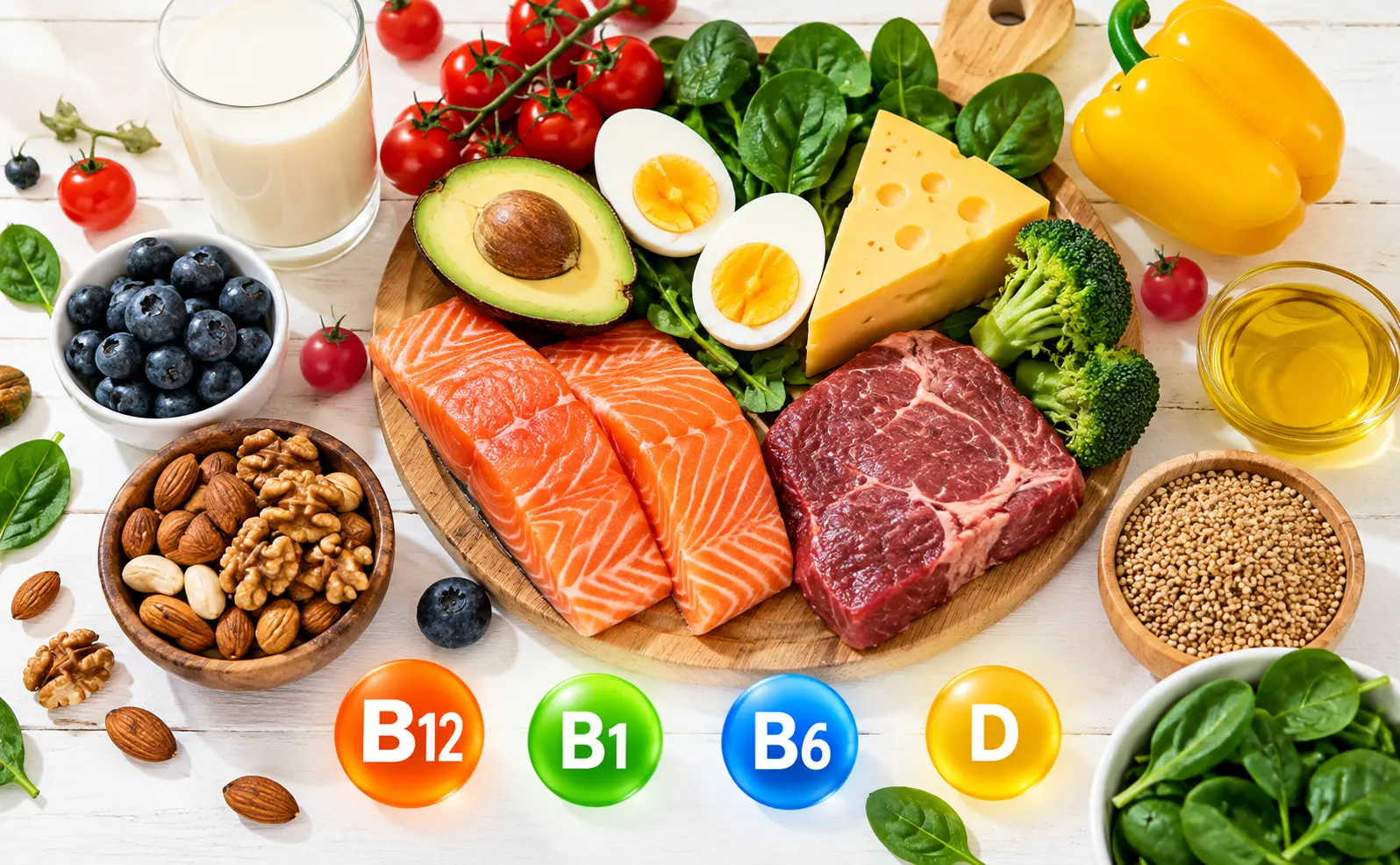
The most appropriate vitamin depends on whether you have a deficiency, an increased nutritional requirement, or another medical reason for supplementation.
| Vitamin | Main role | Food sources |
|---|---|---|
| B12 | Normal nerve function and myelin maintenance | Fish, meat, eggs, dairy, fortified foods |
| B1 | Energy metabolism and cellular function | Whole grains, pork, legumes |
| B6 | Protein metabolism and neurotransmitter production | Poultry, fish, potatoes, chickpeas |
| D | Bone, muscle, and neuromuscular function | Fatty fish, fortified milk, egg yolks |
A balanced diet is a sensible starting point. Supplements may be useful when dietary intake is inadequate or a deficiency has been identified, but taking several products together can lead to unnecessary or excessive intake.
Before starting a supplement, review its ingredients and dosage with a healthcare professional, particularly if you take medications or already use a multivitamin. Blood tests may be appropriate when symptoms or medical history suggest a deficiency.
Other Ways to Manage Sciatic Nerve Pain
Vitamins are only one part of maintaining overall health. Managing sciatica often requires addressing the cause of nerve irritation.
Depending on your condition, helpful approaches may include:
- Staying gently active: Avoid prolonged bed rest when possible, and return to normal activities as tolerated.
- Physical therapy: A qualified professional can recommend exercises to improve mobility and support the back.
- Heat or cold therapy: These may provide temporary relief for some people.
- Medical assessment: Persistent, worsening, or severe pain may require further evaluation and treatment.
Seek emergency medical care for new loss of bowel or bladder control, numbness around the groin or saddle area, or severe or progressive leg weakness. These symptoms may indicate serious nerve compression requiring urgent treatment.
See MedlinePlus’s sciatica guide for further information about causes and treatment options.
Frequently Asked Questions
Which vitamin deficiency can cause nerve pain similar to sciatica?
Vitamin B12 deficiency can cause numbness, tingling, and other neurological symptoms. Severe vitamin B1 deficiency can also affect nerve function. However, these symptoms do not automatically indicate sciatica, which commonly involves irritation or compression of spinal nerve roots. A healthcare professional can help determine the underlying cause.
Can vitamin B12 supplements help with sciatic nerve pain?
Vitamin B12 supplements can help correct a B12 deficiency that contributes to neurological symptoms. However, there is insufficient evidence that B12 supplements consistently relieve sciatica in people who are not deficient. Treatment should address the actual cause of the pain rather than relying on supplements alone.
Should I take vitamins for sciatica without a blood test?
Not everyone needs blood tests before taking a standard multivitamin, but targeted supplementation may require clinical assessment. If you have persistent numbness, tingling, or unexplained nerve symptoms, a healthcare professional can determine whether testing is appropriate. Avoid high-dose B6 supplements, which can cause nerve damage.
Conclusion
So, what vitamin helps sciatic nerve pain? Vitamin B12 is especially relevant when a deficiency contributes to nerve symptoms, while vitamins B1, B6, and D support other important bodily functions. However, none is a proven cure for every type of sciatica.
Focus on a balanced diet, use supplements when medically appropriate, and seek professional advice for persistent or worsening symptoms. Identifying the underlying cause is the most reliable way to determine which treatment may help.
Verified sources
- NIH Office of Dietary Supplements — Vitamin B12, Vitamin B6, Thiamin, and Vitamin D.
-
Mayo Clinic — Sciatica: Symptoms and Causes.
-
MedlinePlus — Sciatica.