
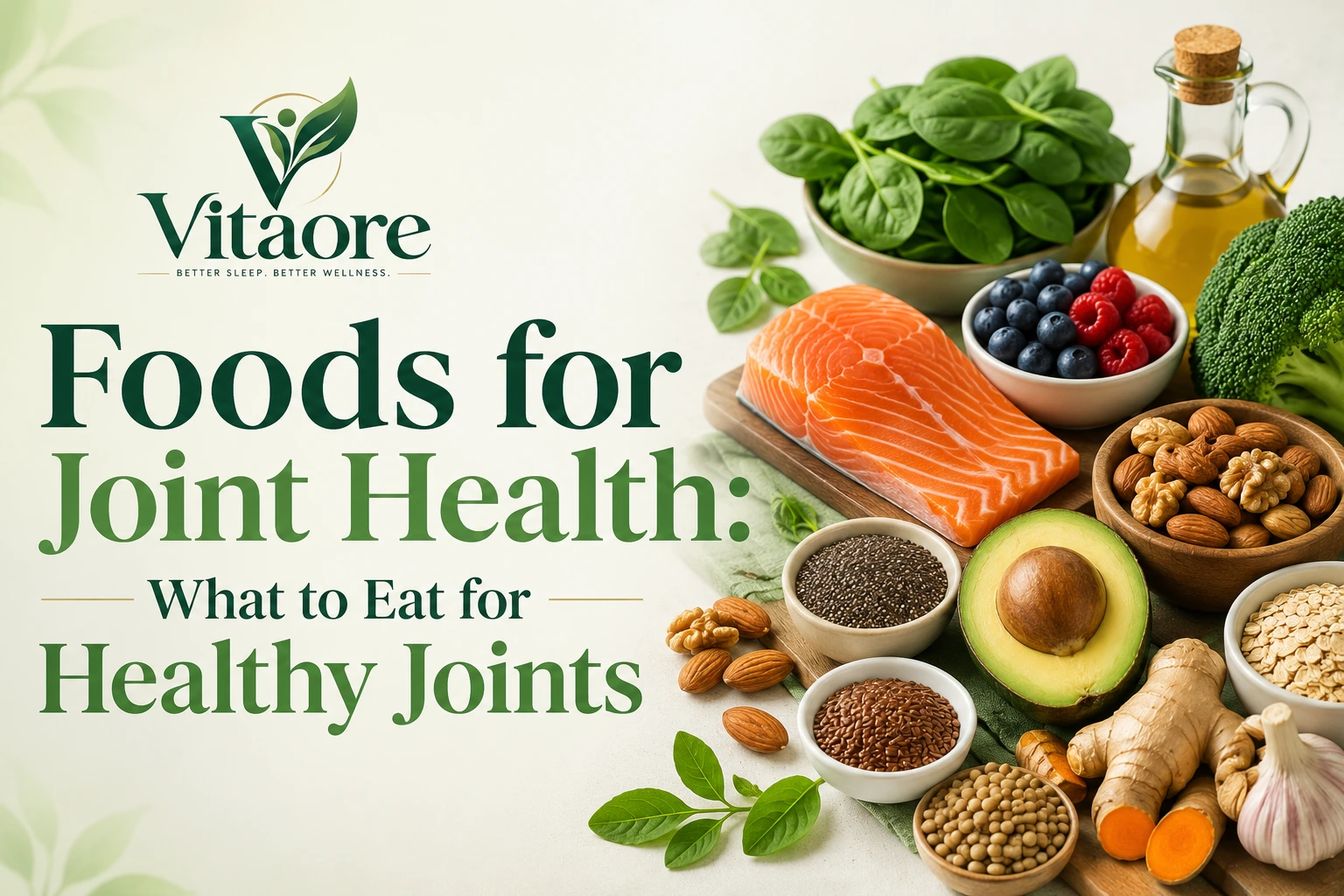
Foods for Joint Health: What to Eat for Healthy Joints
Your diet cannot guarantee pain-free joints, but what you eat can support overall health, a healthy body weight, and a balanced intake of nutrients that support normal bodily functions. Research on nutrition and inflammation generally points toward the overall eating pattern rather than any single “superfood.” Mediterranean-style eating, for example, emphasizes fruits, vegetables, whole grains, legumes, nuts, seeds, and fish. These foods can provide fiber, healthy fats, vitamins, minerals, and plant compounds that support a nutritious diet.
Best Foods for Joint Health
If you are looking for foods for joint health, focus on variety rather than relying on one particular ingredient.
1. Fatty Fish
Salmon, sardines, trout, and other oily fish provide omega-3 fatty acids, particularly EPA and DHA. Omega-3 fats have been studied for their role in inflammation and inflammatory joint conditions. Evidence is stronger for some inflammatory conditions than for general joint health, so fish should be viewed as part of a balanced diet rather than a treatment.
2. Colorful Fruits and Berries
Berries, cherries, oranges, tomatoes, and other colorful fruits provide fiber, vitamins, minerals, and plant compounds such as polyphenols. Eating a variety of fruits can help build a nutrient-rich dietary pattern without relying on a single food for a specific health outcome.
3. Leafy Green and Other Vegetables
Spinach, kale, broccoli, bell peppers, and other vegetables are useful additions to a joint-friendly eating pattern. They provide fiber and a broad range of vitamins, minerals, and plant compounds. Try including several different colors throughout the week rather than focusing on one particular vegetable.
4. Nuts and Seeds
Walnuts, almonds, flaxseeds, chia seeds, and pumpkin seeds can provide healthy fats, fiber, minerals, and other nutrients. Walnuts and flaxseeds also provide plant-based omega-3 fatty acids. A small serving can be an easy addition to oatmeal, yogurt, salads, or snacks.
5. Whole Grains and Legumes
Oatmeal, brown rice, barley, lentils, chickpeas, and beans provide fiber and other nutrients. They can also help replace more refined carbohydrate choices in an overall balanced eating pattern. Mass General Brigham recommends whole, intact grains, legumes, fruits, and vegetables as components of dietary patterns associated with better overall nutrition.
6. Olive Oil
Extra-virgin olive oil is predominantly a source of unsaturated fat and is commonly used in Mediterranean-style eating. Using olive oil in place of some foods higher in saturated fat can be one practical way to improve the overall quality of your diet.
7. Herbs and Spices
Turmeric, ginger, and garlic contain plant compounds that have been studied for their potential anti-inflammatory effects. However, research involving concentrated extracts or supplements should not automatically be applied to the amounts normally consumed as food. NCCIH notes that evidence for ginger supplementation and joint pain remains unclear, so it should not be presented as a guaranteed solution.
Foods to Limit for Better Joint Health
A joint-friendly diet does not require labeling individual foods as “bad.” Instead, consider limiting foods that contribute little nutritional value when consumed frequently, such as:
- Highly processed foods
- Fried foods
- Processed meats
- Foods high in added sugars
- Refined carbohydrates
- Foods high in saturated fat
Mass General Brigham specifically recommends minimizing highly processed foods, fried foods, refined sugar, some high-saturated-fat meats, and refined starches when following an eating pattern intended to support lower inflammation.
Does Diet Really Help Joint Health?
Yes, diet can be one part of a healthy lifestyle, but it is not the only factor. Physical activity, strength and mobility exercises, sleep, stress management, and maintaining a healthy body weight when appropriate can also contribute to overall health and mobility.
Research suggests that dietary patterns may be more meaningful than focusing on individual foods or nutrients. For example, studies of omega-3s have produced different findings depending on the condition being studied, the dose, and whether researchers evaluated food or concentrated supplements.
Can Food Replace Joint Supplements?
Food should generally form the foundation of a healthy eating pattern because it provides a combination of nutrients rather than one concentrated ingredient. Supplements are different because they provide selected nutrients or compounds in concentrated amounts.
If you’re also researching joint health supplements, our Joint Genesis Reviews guide examines the product’s ingredients, potential benefits, safety considerations, available evidence, pricing, and whether it may be worth considering.
Simple Ways to Add More Joint-Friendly Foods
You do not need to completely change your diet. Try simple swaps such as:
- Add berries or another fruit to breakfast.
- Choose salmon or another fatty fish for dinner.
- Add leafy greens to salads, sandwiches, or meals.
- Replace some refined grains with whole grains.
- Snack on a small serving of nuts or seeds.
- Use olive oil instead of some saturated-fat-rich cooking fats.
The goal is consistency and variety, not perfection.
The Bottom Line
There is no single food that guarantees better joint health. A varied eating pattern built around fruits, vegetables, whole grains, legumes, nuts, seeds, fish, and other nutrient-rich foods can support overall wellness and provide nutrients relevant to healthy body function. These foods for joint health can be part of a sensible approach to maintaining mobility, but nutrition should complement rather than replace appropriate physical activity or medical care. Persistent, severe, swollen, or unexplained joint symptoms should be discussed with a healthcare professional.
Medical Disclaimer: This article is for general educational purposes only and does not replace individualized medical advice, diagnosis, or treatment. If you have persistent, severe, or unexplained joint symptoms, speak with a qualified healthcare professional.



One thought on “Foods for Joint Health: What to Eat for Healthy Joints”
Comments are closed.