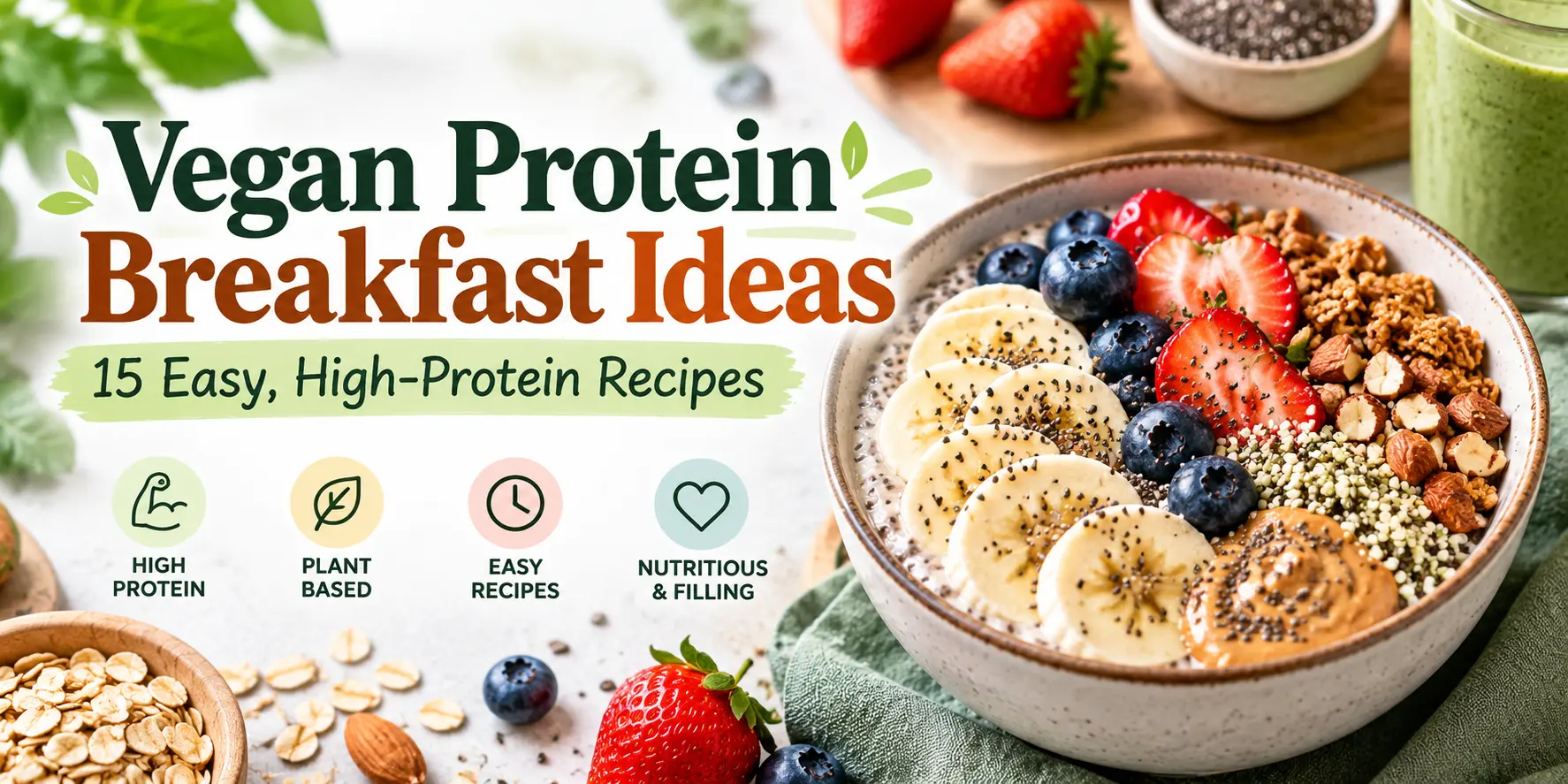
The Ultimate Guide to Vegan Protein Breakfast Ideas: 15 Easy, High-Protein Recipes
Summarize this blog post with: ChatGPT | Perplexity | Claude | Grok
You’ve probably already tried oats, smoothies, or toast for breakfast, but getting enough protein without eggs and dairy can require a little planning. The secret is choosing protein-rich plant foods that fit your appetite, budget, and schedule. In this guide, you’ll discover 15 vegan protein breakfast ideas with practical recipes, estimated protein amounts, and meal-prep tips to make mornings easier.
Key Takeaways
-
Plant-based protein sources include tofu, tempeh, soy milk, lentils, chickpeas, beans, nuts, and seeds.
-
High-protein vegan breakfasts include tofu scrambles, chickpea flour omelettes, overnight oats, and black bean burritos.
-
Protein estimates vary by ingredient quantities, brands, preparation methods, and serving sizes.
-
Balanced vegan breakfasts combine protein with whole grains, fruits, or vegetables and suitable sources of dietary fat.
-
Make-ahead breakfasts such as chia pudding, baked oatmeal, and overnight oats save time on busy mornings.
-
Affordable ingredients such as lentils, chickpeas, peanuts, oats, and soy milk can increase protein without relying on expensive powders.
-
A weekly breakfast rotation helps you maintain variety while simplifying grocery shopping and meal preparation.
What Are Vegan Protein Breakfast Ideas?
Vegan protein breakfast ideas are morning meals made entirely from plant-based ingredients that contribute dietary protein, including tofu, tempeh, legumes, soy milk, nuts, seeds, and oats. For example, a tofu scramble with whole-grain toast offers a savoury alternative to scrambled eggs.
Moreover, vegan food does not automatically contain a high amount of protein. A breakfast of plain fruit and black coffee provides very little protein, whereas adding soy milk, peanut butter, or tofu makes the meal more substantial.
Common protein-rich breakfast ingredients include:
-
Soy foods: Tofu, tempeh, and fortified soy milk.
-
Legumes: Chickpeas, lentils, black beans, and other beans.
-
Grains: Oats, quinoa, and whole-grain bread.
-
Nuts and seeds: Peanut butter, chia seeds, pumpkin seeds, and almonds.
-
Optional protein powders: Pea, soy, or blended plant protein.
Why Are High-Protein Vegan Breakfasts Important?
High-protein vegan breakfasts help supply amino acids needed for tissue maintenance, repair, and normal bodily functions. For example, someone who exercises regularly can include tofu, soy milk, or beans at breakfast to help meet their daily protein needs.
Moreover, protein contributes to meal satisfaction, especially when combined with fibre-rich foods such as oats, fruit, and legumes. However, eating a high-protein breakfast does not automatically cause weight loss or guarantee better athletic performance.
For context, the adult protein Recommended Dietary Allowance in US dietary guidance is approximately 0.8 grams per kilogram of body weight per day — Source: National Academies of Sciences, Engineering, and Medicine, Dietary Reference Intakes. Individual requirements can differ with age, activity, pregnancy, health, and other circumstances.
What Are the Best Vegan Protein Breakfast Ideas?
The best vegan protein breakfasts combine convenient preparation, enjoyable flavours, and useful amounts of protein. The following 15 recipes offer quick, sweet, savoury, make-ahead, and more substantial choices.
Protein figures are estimates, not laboratory-tested results. They use typical food-composition values and standard serving quantities; actual results will vary by product label and preparation method.
|
Vegan breakfast |
Estimated protein per serving |
Preparation time |
Make ahead? |
|---|---|---|---|
| 1. Peanut butter soy smoothie |
20 g |
5 minutes |
Ingredients only |
| 2. Tofu scramble |
20 g |
10 minutes |
Yes |
| 3. Overnight chia oats |
18 g |
5 minutes |
Yes |
| 4. Vegan protein pancakes |
19 g |
15 minutes |
Yes |
| 5. Soy yogurt parfait |
17 g |
5 minutes |
Partly |
| 6. Chocolate tofu smoothie |
22 g |
5 minutes |
Ingredients only |
| 7. Chickpea flour omelette |
13 g |
15 minutes |
Batter partly |
| 8. Black bean breakfast burrito |
21 g |
15 minutes |
Yes |
| 9. Savoury lentil pancakes |
14 g |
15 minutes |
Yes |
| 10. Baked oatmeal with seeds |
14 g |
10 minutes prep |
Yes |
| 11. Chia pudding with soy milk |
14 g |
5 minutes |
Yes |
| 12. Tofu breakfast muffins |
14 g |
15 minutes prep |
Yes |
| 13. Tempeh breakfast sandwich |
24 g |
15 minutes |
Partly |
| 14. Bean and tofu breakfast bowl |
23 g |
15 minutes |
Yes |
| 15. Quinoa peanut porridge |
16 g |
10 minutes |
Yes |
Nutrition note: These approximate figures are rounded planning estimates based on typical ingredient values. Calculate the final values using the specific brands, quantities, and food-composition records used in the published recipes.
1. Peanut Butter and Soy Milk Smoothie
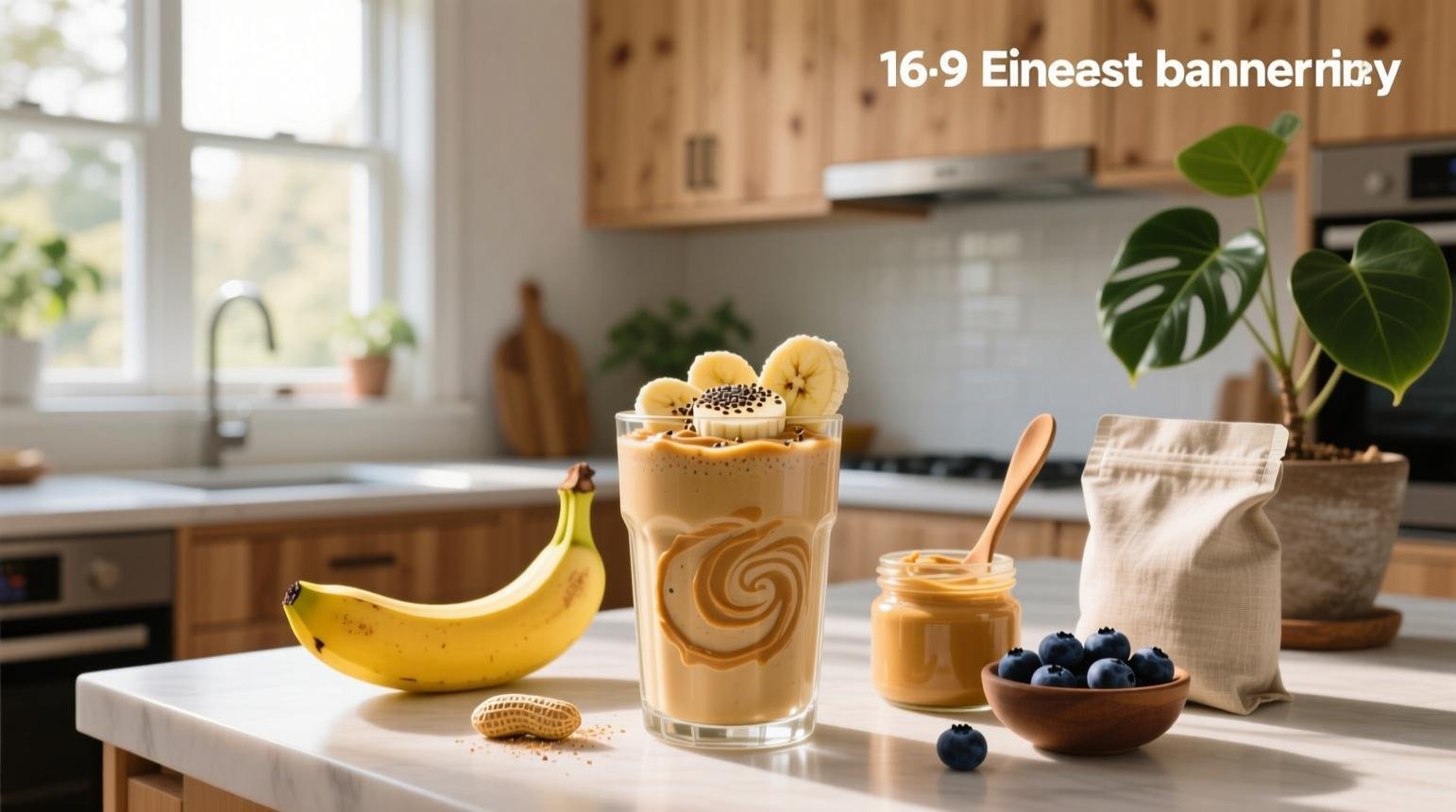
This vegan breakfast smoothie provides approximately 20 g of protein per serving without requiring cooking.
-
Prep time: 5 minutes
-
Ingredients: 250 ml soy milk, 2 tablespoons peanut butter, 1 small banana, and ice.
-
Method: Blend everything until smooth. Add water or ice to adjust the consistency.
-
Protein sources: Soy milk and peanut butter.
-
Substitution: Use unsweetened soy milk and replace banana with berries if preferred.
2. Quick Tofu Scramble
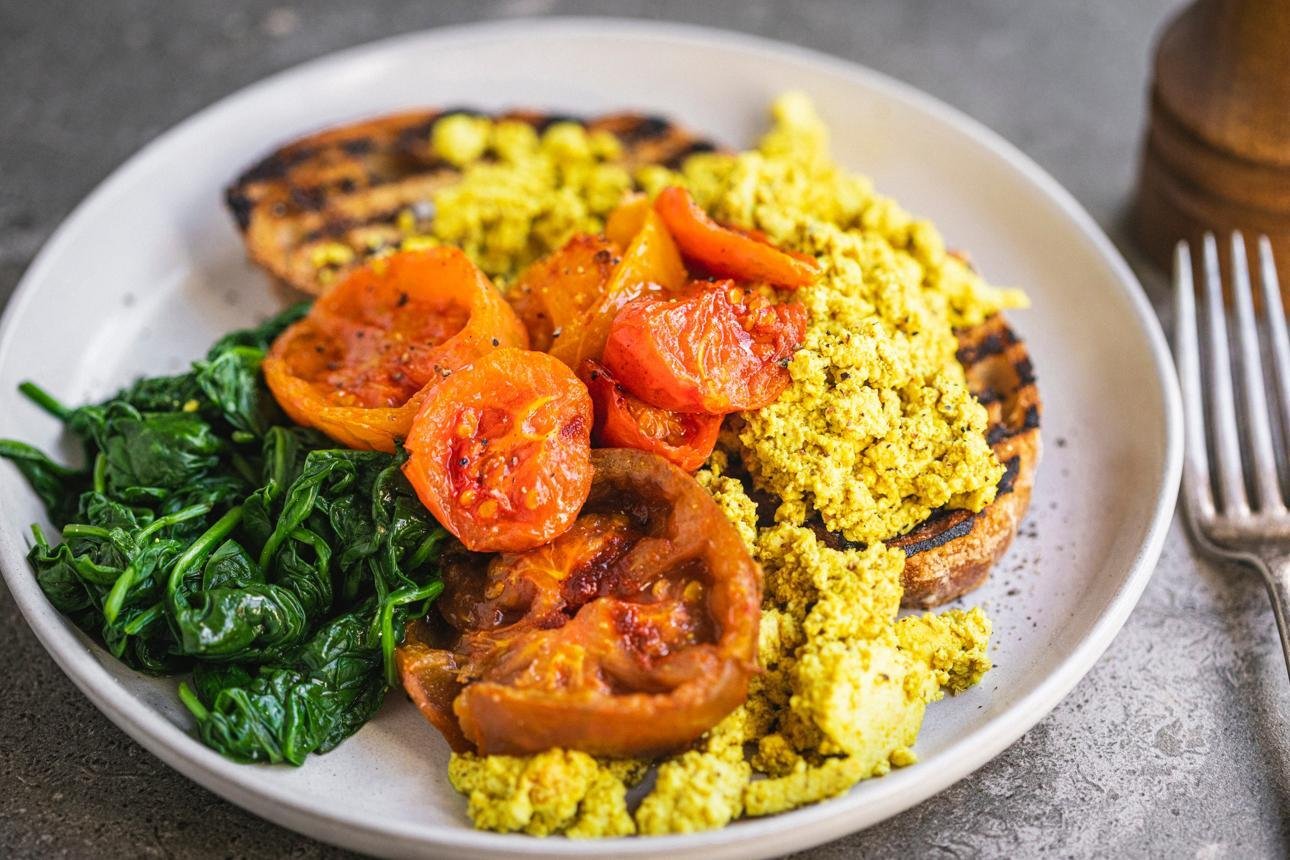
Tofu scramble is a savoury vegan alternative to scrambled eggs that can be prepared in about 10 minutes.
-
Prep time: 10 minutes
-
Ingredients: 150 g firm tofu, 1 teaspoon olive oil, a handful of spinach, chopped tomato, turmeric, pepper, and salt.
-
Method: Crumble the tofu, heat the oil, and sauté the vegetables. Add tofu and seasonings, then cook for 5–7 minutes.
-
Estimated protein: 20 g, depending on the tofu.
-
Substitution: Add mushrooms, capsicum, or nutritional yeast for extra flavour.
3. Overnight Oats With Chia Seeds
Vegan overnight oats provide a convenient combination of plant protein, carbohydrates, and fibre.
-
Prep time: 5 minutes; refrigerate overnight.
-
Ingredients: 40 g rolled oats, 200 ml soy milk, 1 tablespoon chia seeds, and berries.
-
Method: Mix the oats, soy milk, and chia seeds in a container. Refrigerate for at least four hours, then top with berries.
-
Estimated protein: 18 g.
-
Substitution: Use certified gluten-free oats when necessary.
4. High-Protein Vegan Pancakes
Vegan pancakes can deliver approximately 19 g of protein when made with soy milk, oats, and plant protein powder.
-
Prep time: 15 minutes
-
Ingredients: 40 g oat flour, 200 ml soy milk, 20 g plant protein powder, 1 teaspoon baking powder, and water as needed.
-
Method: Whisk the ingredients into a thick batter. Cook small pancakes in a lightly oiled pan until both sides are golden.
-
Estimated protein: 19 g, depending on the protein powder.
-
Substitution: Use soy flour or finely ground oats, adjusting the liquid as needed.
Furthermore, freeze cooled pancakes between sheets of baking paper for convenient reheating.
5. Soy Yogurt Parfait With Nuts and Seeds
A soy yogurt parfait combines creamy plant-based yogurt with nuts, seeds, and fruit for a quick breakfast.
-
Prep time: 5 minutes
-
Ingredients: 200 g high-protein soy yogurt, 15 g pumpkin seeds, 10 g almonds, and 100 g berries.
-
Method: Layer the yogurt, berries, seeds, and almonds in a bowl or glass.
-
Estimated protein: 17 g, depending on the yogurt brand.
-
Substitution: Use sunflower seeds or walnuts and check that the yogurt is dairy-free.
Moreover, choose unsweetened yogurt if you prefer to control added sugar.
6. Chocolate Tofu Smoothie
A chocolate tofu smoothie provides a creamy, dairy-free breakfast using silken tofu and soy milk.
-
Prep time: 5 minutes
-
Ingredients: 150 g silken tofu, 200 ml soy milk, 1 tablespoon unsweetened cocoa powder, and half a banana.
-
Method: Blend all ingredients until smooth.
-
Estimated protein: 22 g.
-
Substitution: Use frozen berries instead of banana or add cinnamon for a different flavour.
Additionally, refrigerate the smoothie promptly if preparing it shortly before breakfast. For the best texture, blend just before drinking.
7. Chickpea Flour Omelette
A chickpea flour omelette is an egg-free savoury breakfast made from ground chickpeas and vegetables.
-
Prep time: 15 minutes
-
Ingredients: 60 g chickpea flour, approximately 100 ml water, chopped onion, tomato, spinach, cumin, and pepper.
-
Method: Whisk the flour, water, and seasonings into a pourable batter. Stir in the vegetables and cook in a lightly oiled pan until set on both sides.
-
Estimated protein: 13 g.
-
Substitution: Add herbs, chilli, or grated vegetables according to taste.
Moreover, chickpea flour is naturally gluten-free, but check packaging for cross-contact warnings if you need to avoid gluten.
8. Black Bean and Tofu Breakfast Burrito
A black bean breakfast burrito combines legumes, tofu, vegetables, and a tortilla for a portable vegan meal.
-
Prep time: 15 minutes
-
Ingredients: 100 g cooked black beans, 100 g firm tofu, 1 whole-wheat tortilla, salsa, and chopped capsicum.
-
Method: Crumble and cook the tofu, warm the beans, and combine them with salsa and capsicum. Wrap the filling in the tortilla.
-
Estimated protein: 21 g.
-
Substitution: Use kidney beans or a gluten-free tortilla.
In addition, prepare several burritos and refrigerate them for short-term use or freeze them for longer storage.
9. Savoury Lentil Pancakes
Savoury lentil pancakes turn cooked lentils into a protein-containing breakfast with a soft centre and crisp edges.
-
Prep time: 15 minutes using cooked lentils
-
Ingredients: 150 g cooked lentils, 20 g chickpea flour, chopped onion, cumin, and water as needed.
-
Method: Mash the lentils, mix in the flour and seasonings, then cook small pancakes in a non-stick pan.
-
Estimated protein: 14 g.
-
Substitution: Add coriander, grated carrot, or chilli for more flavour.
Furthermore, serve with tomato chutney or a dairy-free yogurt dip.
10. Baked Oatmeal With Nuts and Seeds
Baked oatmeal is a make-ahead breakfast that combines whole grains, soy milk, and seeds in one dish.
-
Prep time: 10 minutes; bake for approximately 25–30 minutes.
-
Ingredients: 40 g rolled oats, 200 ml soy milk, 15 g pumpkin seeds, 10 g chopped walnuts, cinnamon, and half a banana.
-
Method: Mix the ingredients, transfer them to a small baking dish, and bake at 180°C until set.
-
Estimated protein: 14 g.
-
Substitution: Use sunflower seeds or chopped almonds.
Moreover, divide the cooled oatmeal into individual portions and refrigerate promptly.
11. Chia Pudding With Fortified Soy Milk
Chia pudding provides a simple make-ahead breakfast with plant protein, fibre, and fats from chia seeds.
-
Prep time: 5 minutes; refrigerate for at least four hours.
-
Ingredients: 250 ml soy milk, 25 g chia seeds, vanilla, and berries.
-
Method: Stir the ingredients thoroughly, wait five minutes, stir again, and refrigerate until thick.
-
Estimated protein: 14 g.
-
Substitution: Add cinnamon or cocoa powder for a different flavour.
Additionally, check the soy milk label for calcium and vitamin B12 fortification if those nutrients are relevant to your diet.
12. Tofu Breakfast Muffins
Tofu breakfast muffins are portable savoury portions made by baking seasoned tofu with vegetables.
-
Prep time: 15 minutes; bake for approximately 20–25 minutes.
-
Ingredients: 200 g firm tofu, 30 g chickpea flour, chopped spinach, capsicum, turmeric, and black pepper.
-
Method: Mash the tofu, mix in the flour and vegetables, spoon into lightly oiled muffin cups, and bake at 180°C until firm.
-
Estimated protein: 14 g per two small muffins.
-
Substitution: Use mushrooms or grated carrots instead of capsicum.
Furthermore, store the cooled muffins in the refrigerator and reheat individual portions when needed.
13. Tempeh Breakfast Sandwich
A tempeh breakfast sandwich is a substantial vegan option made with fermented soybeans and whole-grain bread.
-
Prep time: 15 minutes
-
Ingredients: 100 g tempeh, 2 slices whole-grain bread, tomato, lettuce, and a little mustard.
-
Method: Slice and pan-sear the tempeh until browned and thoroughly heated. Assemble the sandwich with bread and vegetables.
-
Estimated protein: 24 g.
-
Substitution: Use tofu or a bean patty if tempeh is unavailable.
For context, USDA-derived food data lists tempeh at approximately 20.3 g protein per 100 g, although products vary. — Source: USDA FoodData Central data, accessed through WhatYouEat.
14. Bean and Tofu Breakfast Bowl
A bean and tofu breakfast bowl combines two useful plant protein sources with vegetables and grains.
-
Prep time: 15 minutes
-
Ingredients: 100 g firm tofu, 100 g cooked beans, 100 g cooked quinoa, chopped spinach, and salsa.
-
Method: Pan-cook the crumbled tofu, warm the beans and quinoa, and serve with spinach and salsa.
-
Estimated protein: 23 g.
-
Substitution: Replace quinoa with rice or cooked millet.
Moreover, prepare the beans, tofu, and grains in advance to assemble this bowl quickly on busy mornings.
15. Quinoa Porridge With Peanut Butter and Soy Milk
Quinoa porridge offers an alternative to oats while combining grains, soy milk, and peanut butter.
-
Prep time: 10 minutes with cooked quinoa
-
Ingredients: 150 g cooked quinoa, 200 ml soy milk, 1 tablespoon peanut butter, and cinnamon.
-
Method: Heat the quinoa and soy milk in a saucepan until creamy. Stir in peanut butter and cinnamon before serving.
-
Estimated protein: 16 g.
-
Substitution: Use almond butter or add pumpkin seeds.
Additionally, cooked quinoa can be portioned ahead of time, making this breakfast faster to prepare.
How Much Protein Does Each Vegan Breakfast Provide?
The protein content of a vegan breakfast depends on its ingredients, quantities, brands, and serving size. For example, 100 g of tempeh provides approximately 20.3 g of protein in USDA-derived data, while 100 g of cooked quinoa provides about 4.4 g.
Moreover, the table above estimates the protein in complete recipe servings, not the percentage of calories supplied by protein. A meal can contain a useful amount of protein while also providing carbohydrates and fats.
To calculate your own recipes accurately:
-
Check each ingredient’s nutrition label or a reliable food composition database.
-
Multiply the protein per 100 g by the quantity used, divided by 100.
-
Add the protein contributions from every ingredient.
-
Divide the total by the number of servings.
For example, if a recipe contains 24 g of protein across two equal servings, each serving provides approximately 12 g.
Which Vegan Breakfast Foods Have the Most Protein?
Soy foods, legumes, and certain plant-based protein powders are particularly practical ways to increase breakfast protein. Nuts, seeds, and whole grains contribute protein too, although their protein concentration and typical serving sizes differ.
|
Ingredient |
Typical serving |
Approximate protein |
|---|---|---|
|
Tempeh |
100 g | 20 g |
|
Firm tofu |
150 g | 15–24 g |
|
Cooked lentils |
100 g | 9 g |
|
Cooked chickpeas |
100 g | 9 g |
|
Soy milk |
250 ml |
7–9 g |
| Rolled oats, dry | 40 g |
5 g |
| Cooked quinoa | 100 g |
4.4 g |
| Chia seeds | 15 g |
2.5 g |
| Peanut butter | 2 tablespoons |
7–8 g |
Values are rounded estimates; tofu firmness, product formulations, and serving weights affect results. Chia and quinoa values are based on USDA-derived composition data.
Additionally, affordable combinations can make a meaningful difference without expensive products. Try oats with soy milk and peanuts, or cooked chickpeas with whole-grain toast.
How Can You Prepare Vegan Protein Breakfasts in Advance?
Vegan breakfast meal prep means preparing ingredients or complete meals ahead of time to reduce morning cooking. Overnight oats, chia pudding, baked oatmeal, and breakfast burritos are particularly convenient options.
Moreover, a simple weekly routine can save time:
-
Sunday: Prepare overnight oats, cook quinoa, and portion smoothie ingredients.
-
Monday or Tuesday: Make a batch of tofu scramble or baked oatmeal.
-
Midweek: Cook lentils or beans and prepare burrito fillings.
-
Daily: Assemble fresh fruit, vegetables, and toppings as needed.
For food safety, refrigerate perishable prepared foods promptly in covered containers, keep your refrigerator at 4°C or below, and reheat leftovers thoroughly. The US Food Safety and Inspection Service recommends using most cooked leftovers within three to four days. — Source: USDA Food Safety and Inspection Service.
Additionally, freeze suitable portions if you will not eat them within that period. Keep smoothies and fresh fruit toppings separate until serving for better texture.
How Can You Build a Balanced Vegan Breakfast for Your Goals?
A balanced vegan breakfast combines a protein source with carbohydrates, fruits or vegetables, and suitable sources of dietary fat. For example, tofu with whole-grain toast and tomatoes provides a different nutrient combination from soy yogurt with oats, berries, and seeds.
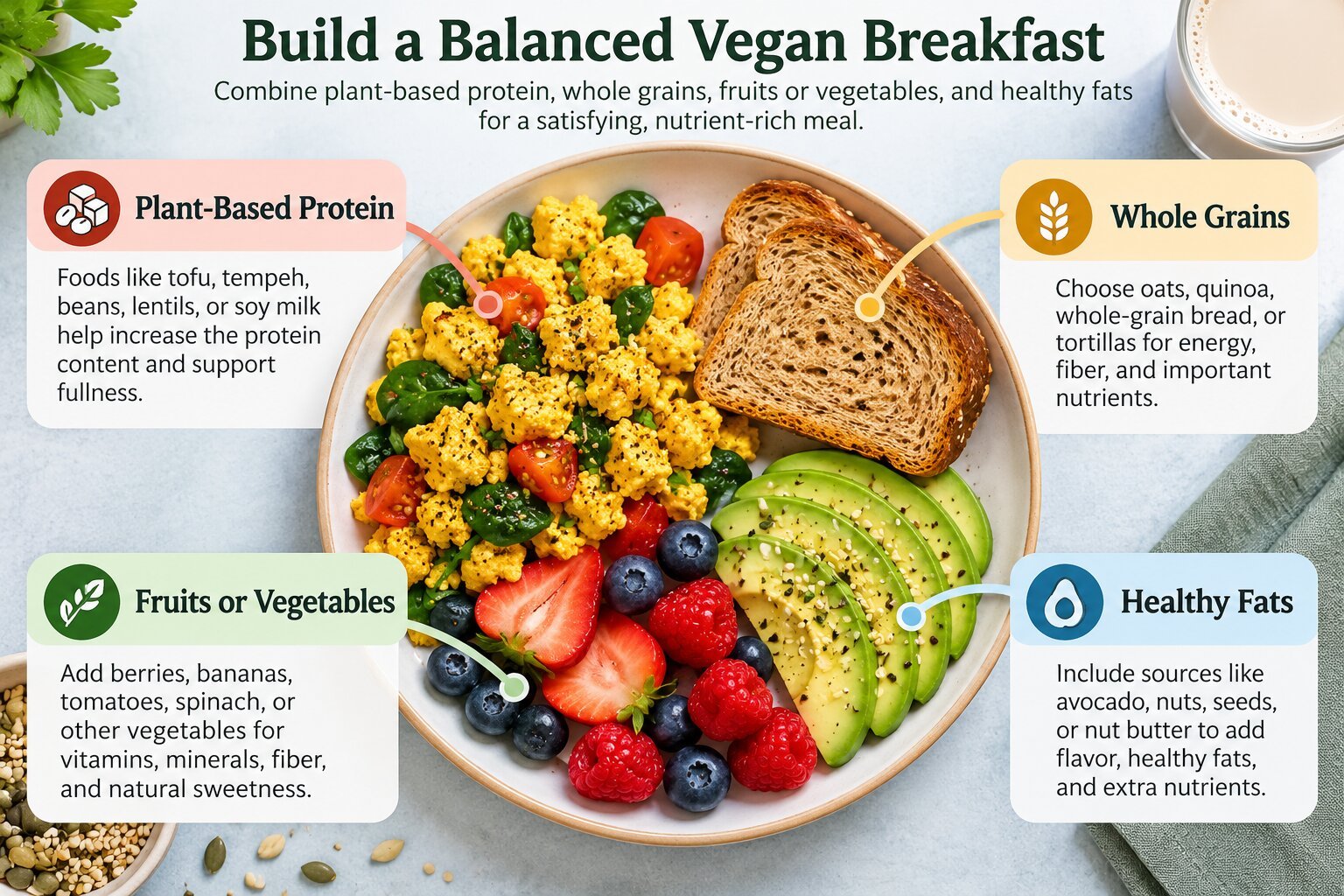
Moreover, choose ingredients according to your needs:
-
For busy mornings: Prepare a soy smoothie or overnight oats.
-
For exercise days: Try a tofu scramble with toast or a tempeh sandwich.
-
For a tighter budget: Choose lentils, chickpeas, oats, peanuts, and homemade soy-based meals.
-
For gluten-free eating: Choose quinoa, certified gluten-free oats, tofu, beans, and suitable gluten-free bread.
-
For greater variety: Rotate savoury dishes, fruit-based meals, and grain bowls.
Protein requirements depend on body size, age, activity, and individual circumstances. For healthy adults, the US reference allowance is 0.8 g/kg/day; Indian dietary guidance may use different recommendations depending on dietary patterns and protein quality. — Source: National Academies and Indian Council of Medical Research-related guidance.
In addition, check food labels for allergens, added sugar, and fortification. Fortified plant milks may contribute calcium and vitamin B12, but not every product contains the same nutrients.
How Can You Make a High-Protein Vegan Breakfast Without Protein Powder?
You can make a high-protein vegan breakfast without protein powder by combining tofu, soy milk, beans, lentils, tempeh, nuts, and seeds. For example, a breakfast bowl containing tofu, black beans, and quinoa can provide approximately 23 g of protein without any supplements.
Moreover, try these simple combinations:
-
Tofu scramble with whole-grain toast.
-
Chickpea flour omelette with soy yogurt.
-
Overnight oats with soy milk, chia seeds, and peanut butter.
-
Lentil pancakes with a bean filling.
-
Tempeh sandwiches with vegetables.
These meals show that protein powder is optional rather than essential for a varied vegan breakfast.
What Is a Good Vegan Breakfast Before or After a Workout?
A good vegan workout breakfast supplies protein and enough energy from carbohydrates to suit your activity. For example, overnight oats with soy milk and banana can work before exercise, while a tofu and bean bowl can be a convenient post-workout meal.
Additionally, choose the timing and portion size that feel comfortable. A large, fibre-rich breakfast may not suit everyone immediately before exercise, so a smoothie or smaller serving might be preferable.
How Can You Make a High-Protein Vegan Breakfast on a Budget?
Affordable vegan breakfasts rely on staple ingredients such as lentils, chickpeas, oats, peanuts, and soy milk. For example, homemade lentil pancakes or chickpea flour omelettes can provide protein without requiring speciality products.
Furthermore, buying dried legumes, cooking larger batches, and reusing ingredients across several meals can reduce costs. Compare the protein and price per serving rather than choosing foods based on packaging claims alone.
What Tools Help You Plan Vegan Protein Breakfasts?
Nutrition labels, food composition databases, and a simple meal planner help you estimate protein and organize breakfast preparation. For example, you can enter the quantities of tofu, soy milk, and oats in a spreadsheet to calculate the protein in your favourite recipe.
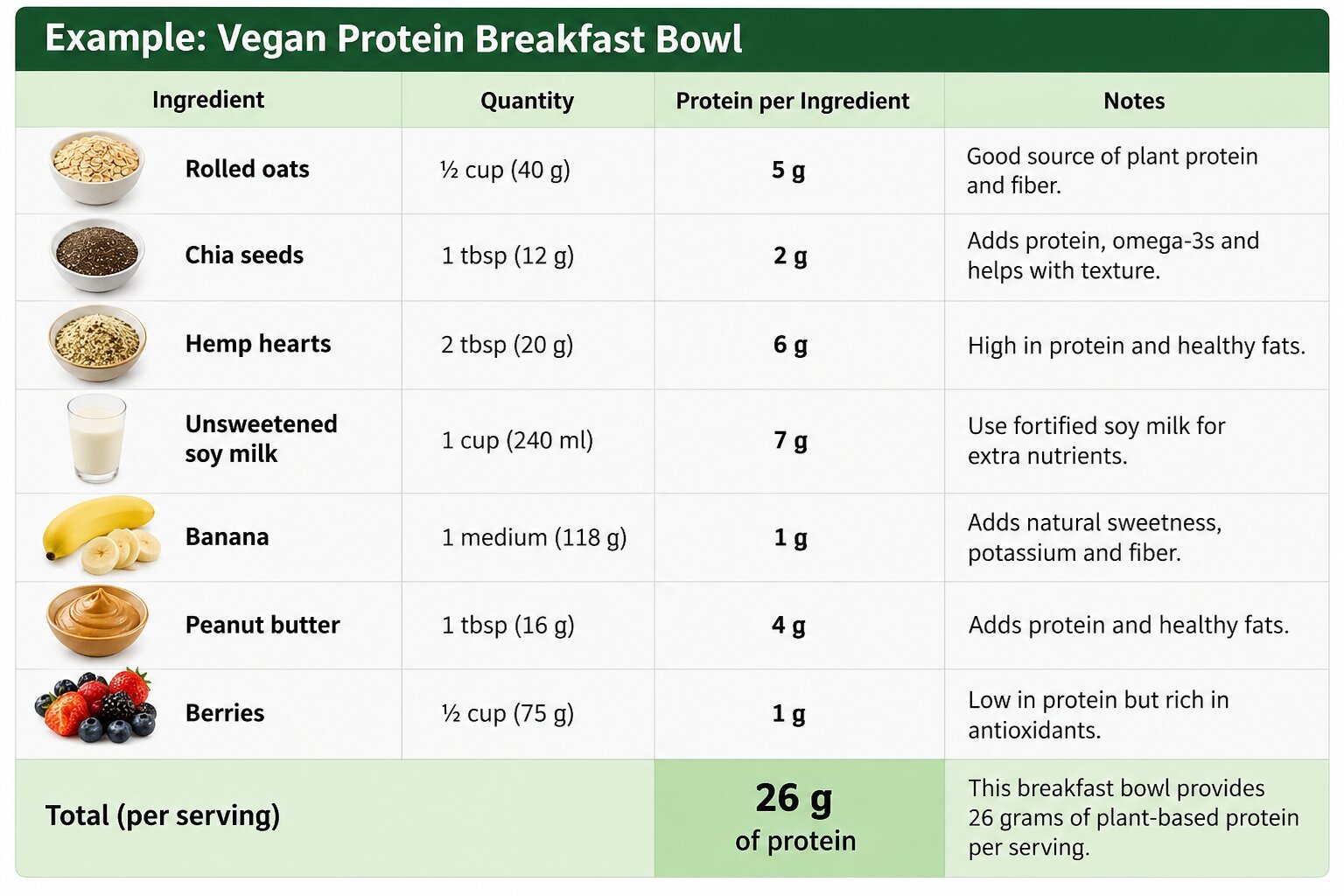
Useful resources include:
-
USDA FoodData Central for food composition information.
-
NIH Nutrient Recommendations and Databases for dietary reference resources.
What’s Next? Create a Simple Three-Day Vegan Breakfast Plan
A three-day vegan breakfast plan helps you build variety while reusing ingredients and keeping preparation manageable. For example, prepare oats and quinoa in advance, then alternate them with freshly cooked savoury meals.
|
Day |
Breakfast | Estimated protein |
|---|---|---|
|
Day 1 |
Tofu scramble with whole-grain toast |
20 g |
|
Day 2 |
Overnight oats with soy milk and chia seeds |
18 g |
| Day 3 | Black bean and tofu breakfast burrito |
21 g |
Estimates assume the recipe portions described above; adjust them to your ingredient labels and serving sizes.
What Should You Include on Your Shopping List?
Moreover, organize your shopping list by food group to make preparation easier.
-
Protein sources: Tofu, tempeh, soy milk, chickpeas, lentils, black beans, soy yogurt, and peanut butter.
-
Grains: Rolled oats, quinoa, whole-grain bread, and tortillas.
-
Produce: Bananas, berries, tomatoes, spinach, capsicum, and onions.
-
Pantry staples: Chia seeds, pumpkin seeds, cocoa powder, cinnamon, cumin, and olive oil.
Conclusion: Make High-Protein Vegan Breakfasts Easier to Enjoy
High-protein vegan breakfasts become easier when you combine convenient preparation with protein-rich plant foods and a little variety. Tofu, tempeh, legumes, soy milk, oats, nuts, and seeds offer flexible options for different budgets, schedules, and tastes.
Moreover, you do not need to cook an elaborate meal every morning or use protein powder to make progress toward your daily protein needs. Start with two or three recipes, prepare ingredients ahead of time, and adjust portions to suit your appetite and nutritional requirements.
Your next step: Choose one recipe from this guide and prepare it for tomorrow morning. A simple routine is easier to maintain when the food is practical, enjoyable, and suited to your everyday life.