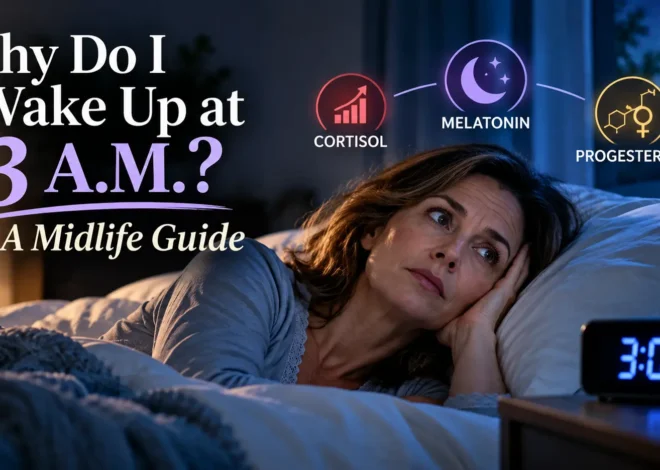

How to Fall Asleep Faster: 10 Simple Tips
You’re tired, you’re in bed, and yet your brain refuses to switch off. Maybe you’re thinking about tomorrow’s to-do list, replaying something that happened during the day, or simply wondering why you’re still awake.
Occasional trouble falling asleep is common. Stress, an inconsistent schedule, caffeine, late-night meals, bright light, screen use, an uncomfortable bedroom, and daytime habits can all make it harder to wind down.
How to Fall Asleep Faster? The good news is that you don’t need a complicated sleep hack to improve your chances of falling asleep. Consistent sleep habits, a comfortable sleep environment, daytime activity, and relaxation techniques can all support healthier sleep.
Here are 10 simple, evidence-informed ways to help you fall asleep faster.
1. Keep the Same Sleep and Wake Time
One of the simplest ways to support your body’s natural sleep-wake rhythm is to maintain a consistent schedule.
Your circadian rhythm helps coordinate when you feel awake and when you become sleepy. Frequently changing your bedtime or sleeping much later on weekends can make that rhythm less predictable. The National Heart, Lung, and Blood Institute recommends going to bed and waking up at roughly the same time every day, including weekends.
Try this:
- Choose a realistic wake-up time and stick with it most days.
- Keep your bedtime relatively consistent.
- Avoid making large changes to your schedule on weekends.
- Give yourself enough time in bed to get the sleep you need.
Most adults need at least 7 hours of sleep per night, although individual needs vary.
What to know: A consistent schedule may take time to become a habit. Don’t worry if you don’t suddenly start falling asleep faster on the first night.
2. Create a Relaxing Bedtime Routine
Going directly from work, social media, gaming, or household chores into bed can make it difficult to transition into sleep.
Instead, use the period before bedtime to gradually slow down. A predictable routine can become a signal that your day is ending and it’s time to relax.
The NHLBI recommends using the hour before bed for quiet activities and avoiding intense exercise and bright artificial light during that period.
Your routine could include:
- Taking a warm bath or shower
- Reading a paper book
- Listening to quiet music
- Gentle stretching
- Meditation or relaxation exercises
- Preparing your clothes and schedule for the next day
Try to make the routine enjoyable rather than treating it as another task you have to complete.
What to know: There is no single “perfect” bedtime routine. Choose activities that help you feel calmer without becoming stimulating.
3. Make Your Bedroom Cool, Dark, and Quiet
Your sleep environment can make a significant difference. Light, noise, and an uncomfortable temperature can interfere with your ability to settle down.
The CDC and NHLBI recommend keeping the bedroom cool, dark, and quiet.
Before bed, check your room:
- Is outside light coming through the windows?
- Is your phone lighting up the room?
- Is traffic or household noise disturbing you?
- Are you too hot or too cold?
- Is your mattress or pillow uncomfortable?
Blackout curtains, an eye mask, earplugs, or a fan for consistent background noise may be useful if they make your environment more comfortable.
You don’t need to chase a precise bedroom temperature. Comfort matters, and the ideal temperature can vary from person to person.
What to know: The goal isn’t to create a laboratory-perfect bedroom. It’s to remove obvious environmental distractions.
4. Reduce Bright Light and Screens Before Bed
Your phone may be one of the last things you look at before sleeping, but bright artificial light in the evening can interfere with the signals that help regulate your sleep-wake cycle.
The NHLBI recommends using the hour before bed for quiet time and avoiding bright artificial light, including light from televisions and computer screens.
Make your evenings more sleep-friendly:
- Dim the lights as bedtime approaches.
- Put your phone away when possible.
- Avoid stimulating videos, games, or work immediately before bed.
- Turn off unnecessary lights in your bedroom.
- If you need to use a device, reduce its brightness and avoid highly stimulating content.
You don’t have to panic if you occasionally use your phone at night. Instead, focus on creating a consistent pattern that makes it easier for your brain and body to wind down.
What to know: Screen use isn’t the only reason someone may have trouble sleeping. The content you consume, emotional stimulation, light exposure, and the habit of staying awake in bed can all matter.
5. Watch Your Caffeine Timing
Coffee isn’t the only source of caffeine. Tea, energy drinks, soda, chocolate, and some medications can also contain caffeine.
Caffeine is a stimulant, and its effects can last for hours. NHLBI notes that caffeine’s effects can last up to 8 hours in some people.
That means an afternoon or evening coffee may still affect your ability to fall asleep at night, particularly if you are sensitive to caffeine.
Try this:
- Track when you drink caffeine for a few days.
- If you have trouble falling asleep, experiment with stopping caffeine earlier.
- Pay attention to energy drinks and other less obvious sources.
- If you are particularly sensitive to caffeine, consider an even earlier cutoff.
There isn’t one universal cutoff time that works for everyone. Your sensitivity, dose, and bedtime all matter.
What to know: You don’t necessarily need to eliminate caffeine. Adjusting the timing may be enough for some people.
6. Avoid Heavy Meals and Alcohol Close to Bedtime
A large meal immediately before bed may leave you feeling uncomfortable, while drinking a lot of fluids can increase the chances of waking during the night.
NHLBI recommends avoiding heavy or large meals within a few hours of bedtime and avoiding alcohol before bed.
Alcohol can be particularly misleading because it may make you feel sleepy initially. However, it can contribute to lighter or disrupted sleep later in the night.
Instead:
- Finish large meals a few hours before bed when possible.
- Choose a lighter snack if you genuinely need one.
- Avoid drinking large amounts of fluid immediately before sleeping.
- Don’t rely on alcohol as a sleep aid.
What to know: This doesn’t mean you have to follow a rigid rule about eating at a particular hour. Your individual schedule, digestion, and bedtime all matter.
7. Get Daylight and Physical Activity
What you do during the day can influence how you sleep at night.
Getting outside during the day provides natural light, which helps regulate your body’s internal clock. Regular physical activity is also associated with healthier sleep habits.
Add more daytime activity by:
- Taking a morning or lunchtime walk.
- Spending some time outside during daylight.
- Exercising regularly.
- Breaking up long periods of sitting.
- Choosing activities you can maintain consistently.
If exercise close to bedtime seems to make you feel more alert, move your workout earlier. NHLBI recommends physical activity during the daytime and notes that exercise too close to bedtime may make falling asleep harder for some people.
What to know: You don’t need an intense workout to support better sleep. Consistent daily movement is a practical place to start.
8. Try a Relaxation or Breathing Exercise
Sometimes your body is tired, but your mind is still in “problem-solving mode.” Relaxation techniques can give your attention something calming to focus on.
Slow breathing, progressive muscle relaxation, and other relaxation approaches are used in behavioral approaches to insomnia.
One option is simple slow breathing:
- Get comfortable.
- Relax your shoulders and jaw.
- Breathe slowly through your nose.
- Make your exhale slightly longer than your inhale.
- Continue for several comfortable breaths.
You can also try progressive muscle relaxation by gently tensing and then relaxing different muscle groups, moving gradually from one part of your body to another.
The popular 4-7-8 breathing technique is another option. It involves inhaling for 4 seconds, holding for 7 seconds, and exhaling for 8 seconds. However, you shouldn’t treat it as a guaranteed sleep technique or assume the exact timing is medically necessary. Healthline notes that strong scientific evidence does not support some of the “fall asleep in seconds” claims surrounding popular techniques.
What to know: Stop any breathing exercise that makes you uncomfortable, dizzy, or short of breath.
9. Give Your Busy Mind Something Calm to Focus On
Trying desperately to force yourself to sleep can sometimes make the situation worse. You notice that you’re awake, start calculating how many hours remain before morning, and become even more frustrated.
Instead, try giving your attention a neutral or calming task.
For example, imagine a peaceful setting and mentally explore its details: the sounds, textures, temperature, and surroundings. Visualization has been studied as a form of distraction for people having difficulty falling asleep.
You could also try a body scan:
- Notice your breathing.
- Focus on your toes for a few moments.
- Slowly move your attention upward through your body.
- Notice sensations without trying to change them.
- If your thoughts wander, gently return your attention to the current body area.
Mindfulness practices may help some people relax and manage the thoughts that keep them awake, although they should not be presented as an instant cure for insomnia.
What to know: The goal isn’t to “win” against your thoughts. When your mind wanders, simply return your attention to the exercise.
10. If You Can’t Sleep, Stop Forcing It
One of the most useful things you can do when you’re lying awake is to avoid turning your bed into a place associated with frustration and wakefulness.
Stimulus control is a behavioral technique used in insomnia treatment. It aims to strengthen the association between bed and sleep. NHLBI describes stimulus control as going to bed when sleepy, getting out of bed when you cannot sleep, and using the bed primarily for sleep and sexual activity.
If you’ve been awake for what feels like a long time:
- Don’t keep checking the clock.
- Get out of bed if you’re clearly awake and frustrated.
- Go somewhere comfortable with dim lighting.
- Do something quiet and relaxing, such as reading.
- Return to bed when you feel sleepy again.
The goal isn’t to punish yourself for being awake. It’s to avoid spending long periods in bed worrying about not sleeping.
Stimulus control is also a component of evidence-based behavioral treatment for chronic insomnia.
What to know: If you regularly struggle with sleep, don’t try to build a complex sleep-restriction program on your own. Formal CBT-I is best undertaken with appropriate professional guidance.
What If You Still Can’t Fall Asleep?
These tips can help create conditions that support better sleep, but they aren’t guaranteed to make you fall asleep immediately.
If you’ve already tried improving your sleep habits and are also considering a sleep-support supplement, our Yu Sleep Reviews guide provides a detailed look at the formula, ingredients, potential benefits, side effects, pricing, and available evidence.
Occasional difficulty falling asleep can happen because of stress, schedule changes, travel, illness, environmental disruption, or other temporary factors. Persistent trouble falling asleep, however, may be a sign of insomnia or another sleep or health problem.
Chronic insomnia is generally characterized by difficulty falling asleep, staying asleep, or getting adequate sleep despite having an appropriate opportunity for sleep. NHLBI defines chronic insomnia as occurring at least three nights per week for more than three months, when it isn’t fully explained by another health problem.
If sleep problems continue or are affecting your daytime functioning, talk with a healthcare professional.
For chronic insomnia, cognitive behavioral therapy for insomnia (CBT-I) is an evidence-based treatment and is generally recommended as a first-line treatment. It can include cognitive strategies, sleep education, relaxation techniques, stimulus control, and other behavioral approaches.
Also speak with a healthcare professional if you regularly experience symptoms such as loud snoring, gasping or choking during sleep, excessive daytime sleepiness, or other signs that could point to an underlying sleep disorder.
Frequently Asked Questions
What is the fastest way to fall asleep?
There isn’t a scientifically guaranteed method that will make everyone fall asleep within seconds or a specific number of minutes. A better approach is to create conditions that support sleep: maintain a consistent schedule, reduce evening light and stimulation, limit caffeine, keep your bedroom comfortable, and use a relaxation technique if your mind is active.
Why can’t I fall asleep even when I’m tired?
Being physically tired doesn’t always mean your brain is ready to sleep. Stress, anxiety, an irregular schedule, caffeine, late-night stimulation, environmental factors, and other health or sleep problems can contribute to trouble falling asleep.
Does the 4-7-8 breathing method really work?
4-7-8 breathing may feel calming and can be used as a relaxation exercise, but it shouldn’t be presented as a guaranteed way to fall asleep quickly. Evidence for specific popular “fall asleep in seconds” claims is limited. If the technique feels uncomfortable, use a simpler slow-breathing pattern instead.
Should I use my phone before bed?
If possible, reduce phone and other bright-screen use as bedtime approaches. Bright artificial light can interfere with the signals that regulate your sleep-wake cycle, while stimulating content can also keep your mind active.
If you do need to use your phone, lower the brightness, avoid stressful or stimulating content, and give yourself some screen-free wind-down time before trying to sleep.
How long should it normally take to fall asleep?
There is no single number that applies to everyone. HelpGuide notes that many healthy adults fall asleep within roughly 10 to 20 minutes, but taking longer on an occasional night does not automatically mean something is wrong.
More important than chasing a specific number is whether difficulty falling asleep happens regularly and affects how you function during the day.
What should I do if I can’t sleep after lying in bed?
If you’re clearly awake and becoming frustrated, get out of bed and do something quiet in dim light. Return to bed when you feel sleepy again. This is consistent with stimulus-control principles used in behavioral insomnia treatment.
Try not to repeatedly check the clock, because worrying about how much sleep you have left can add another source of stress.
When should I talk to a doctor about trouble sleeping?
Consider speaking with a healthcare professional if trouble falling asleep happens regularly, continues for months, affects your daytime functioning, or occurs alongside symptoms such as loud snoring, gasping or choking during sleep, or significant daytime sleepiness.
Persistent insomnia can have different causes, and professional evaluation can help determine whether CBT-I or another treatment is appropriate.
The Bottom Line
Learning how to fall asleep faster usually isn’t about finding one magical technique. It’s about creating a consistent environment and routine that makes sleep easier.
Start with the basics: keep a regular sleep schedule, make your bedroom comfortable, reduce bright light at night, watch your caffeine timing, stay active during the day, and give yourself time to unwind.
If your mind is racing, try slow breathing, progressive muscle relaxation, or calming visualization. And if you’re lying awake and becoming frustrated, don’t feel that you have to remain in bed forcing sleep.
Most importantly, don’t judge yourself by whether you fall asleep immediately. A healthy sleep routine is something you build over time. If persistent sleep difficulties continue despite your efforts, talk with a healthcare professional rather than relying on increasingly complicated sleep hacks.
Medical Disclaimer
This article is for general informational and educational purposes only and is not a substitute for professional medical advice, diagnosis, or treatment. Sleep needs and sleep problems vary from person to person. If you have persistent insomnia, excessive daytime sleepiness, breathing problems during sleep, or another health concern, speak with a qualified healthcare professional.