
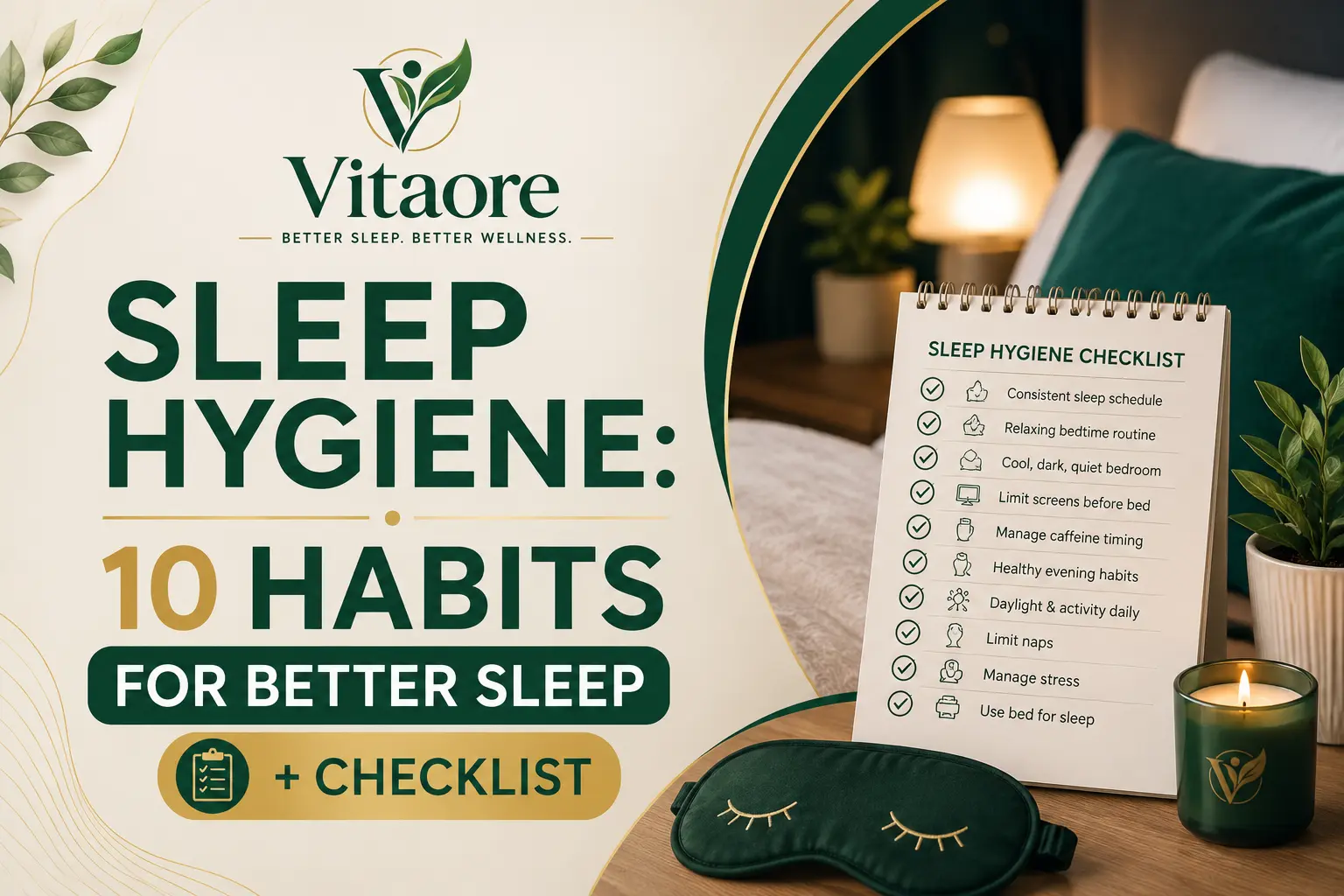
What Is Sleep Hygiene? 10 Habits for Better Sleep
You can spend plenty of time in bed and still have trouble falling asleep, wake up several times during the night, or feel tired the next morning. Your daily habits, evening routine, sleep schedule, and bedroom environment can all influence how easily you sleep.
So, what is sleep hygiene? Sleep hygiene refers to the collection of habits, routines, and environmental practices that support healthy, consistent sleep. It is not a single trick or a guaranteed solution for insomnia. Instead, the goal is to create conditions that make good sleep easier and more consistent.
Good sleep hygiene can include keeping a regular sleep schedule, creating a relaxing bedtime routine, managing caffeine, getting daytime activity and light, and making your bedroom comfortable. However, healthy sleep habits are not a replacement for medical treatment when persistent sleep problems are present.
Here are 10 practical sleep hygiene habits you can use to build a healthier sleep routine.
What Is Sleep Hygiene?
Sleep hygiene is a set of behaviors and environmental practices designed to support better sleep.
Think of it as the foundation of your sleep. It includes what you do during the day, how you prepare for bedtime, when you sleep, and the conditions in your bedroom.
Examples of healthy sleep habits include:
- Going to bed and waking up at consistent times
- Creating a relaxing bedtime routine
- Keeping your bedroom dark, quiet, and comfortable
- Managing caffeine and alcohol
- Getting regular physical activity
- Getting adequate daytime light
- Limiting stimulating activities before bed
Sleep hygiene is also personal. A habit that helps one person may not make much difference to another. The goal is to identify routines that support your own sleep without turning bedtime into a stressful checklist.
Why Is Sleep Hygiene Important?
Healthy sleep depends on more than simply spending a certain number of hours in bed.
Sleep duration matters, but so does sleep quality. Consistent sleep timing, an appropriate sleep environment, and daytime behaviors can all influence your ability to sleep and how refreshed you feel afterward. The CDC recommends several basic sleep habits, including keeping consistent sleep and wake times, maintaining a comfortable bedroom, limiting electronic devices before bed, and avoiding caffeine later in the day.
Healthy sleep habits can also help support daytime alertness, concentration, mood, and normal functioning.
However, sleep hygiene should not be viewed as a cure for chronic insomnia. The American Academy of Sleep Medicine recommends cognitive behavioral therapy for insomnia, commonly called CBT-I, as a first-line behavioral treatment for chronic insomnia and specifically advises against using sleep hygiene alone as the treatment.
With that distinction in mind, here are 10 sleep hygiene habits worth trying.
Read: How Many Hours of Sleep Do You Really Need?
1. Keep a Consistent Sleep and Wake Schedule
Your body works according to an internal sleep-wake rhythm. Keeping your sleep and wake times reasonably consistent can help reinforce that rhythm.
You do not need to go to bed at precisely the same minute every night. The goal is to avoid large, frequent changes that make your sleep schedule unpredictable.
Try to:
- Wake up around the same time each morning
- Go to bed at approximately the same time each night
- Keep weekend changes relatively small
- Give yourself enough time for the amount of sleep you need
For example, if you normally wake at 7 a.m. on weekdays, sleeping until noon every Saturday may make it harder to maintain the same sleep pattern.
The National Heart, Lung, and Blood Institute recommends keeping sleep schedules consistent and limiting differences between weekdays and weekends when possible.
What to know: Your schedule does not have to be perfect. Consistency is a useful goal, not a reason to worry about being a few minutes early or late.
2. Create a Relaxing Bedtime Routine
Going directly from work, gaming, household responsibilities, or stressful conversations into bed can make it difficult to mentally switch off.
A predictable bedtime routine allows you to slow down before trying to sleep.
Consider spending some time before bed doing quiet activities such as:
- Reading for pleasure
- Taking a warm shower or bath
- Gentle stretching
- Slow breathing exercises
- Progressive muscle relaxation
- Listening to calm music
- Writing in a journal
The routine does not need to be complicated. Even a simple sequence, such as dimming the lights, brushing your teeth, reading for a few minutes, and getting into bed, can create a consistent transition toward sleep.
Harvard Health recommends reserving time before bed for quieter activities and reducing stimulating tasks.
What to know: The purpose is not to perform a perfect routine. Choose activities that genuinely help you feel calmer rather than adding more tasks to your evening.
3. Make Your Bedroom Cool, Dark, and Quiet
Your sleep environment can make a noticeable difference, particularly if light, noise, or uncomfortable temperatures regularly disturb you.
Try to make your bedroom:
- Comfortable
- Relatively cool
- Dark
- Quiet
- Free from unnecessary distractions
Blackout curtains can help reduce outside light. Earplugs or a consistent background sound may help if noise is difficult to control. A comfortable mattress and pillow can also make it easier to stay asleep.
Harvard Health notes that many people sleep better in a slightly cool environment and recommends reducing unwanted light and noise.
What to know: There is no single bedroom temperature that is right for everyone. Adjust the room based on your comfort and what helps you sleep.
4. Reduce Bright Light and Screens Before Bed
Phones, tablets, televisions, and computers can become a major part of many people’s nighttime routines.
Bright light in the evening can influence the body’s sleep-wake rhythm. At the same time, the content you consume can keep your brain engaged when you are trying to wind down.
You can experiment with:
- Dimming the lights in the evening
- Putting your phone away before bed
- Turning off unnecessary notifications
- Avoiding stressful work close to bedtime
- Choosing calmer activities instead of stimulating videos or games
The CDC recommends turning off electronic devices at least 30 minutes before bedtime.
It is also worth remembering that screens are not necessarily a single cause of poor sleep. The timing, brightness, content, and amount of time spent using a device can all matter.
What to know: If completely avoiding your phone before bed is unrealistic, start by reducing stimulating use and creating a period of quieter activity before you sleep.
5. Pay Attention to Caffeine Timing
Caffeine is a stimulant that can interfere with sleep, especially when consumed later in the day.
Common sources include:
- Coffee
- Tea
- Energy drinks
- Some soft drinks
- Chocolate
- Certain medications and products containing caffeine
People vary in how sensitive they are to caffeine. Someone who can drink coffee in the afternoon without noticing an effect may sleep differently from someone who becomes alert after a small amount.
If you have trouble sleeping, consider tracking when you consume caffeine and whether it appears to affect your nighttime sleep.
The CDC and NHLBI both recommend avoiding caffeine later in the day when it interferes with sleep.
What to know: There is no universal cutoff that works perfectly for everyone. Your sensitivity, amount consumed, and timing all matter.
6. Be Careful With Alcohol and Late-Night Meals
Eating a very large meal immediately before bed can be uncomfortable and may make it harder to settle down.
If you regularly experience nighttime discomfort after eating, consider having your evening meal earlier and avoiding very heavy meals close to bedtime.
Alcohol also deserves attention. Although it may make you feel sleepy initially, alcohol can disrupt sleep later in the night. It can also worsen snoring for some people.
A practical approach is to notice whether alcohol or late meals consistently affect your sleep and adjust your routine accordingly.
What to know: This does not mean you need to follow an extremely restrictive diet at night. The goal is to identify habits that interfere with your sleep and make reasonable adjustments.
7. Get Daytime Light and Regular Physical Activity
Your sleep routine starts long before bedtime.
Getting outside during the day exposes you to natural light, while regular physical activity can support overall health and healthy sleep patterns.
Try to:
- Spend some time outdoors during the day
- Get regular physical activity
- Avoid spending the entire day sedentary
- Pay attention to whether late exercise makes it harder for you to sleep
Exercise timing can vary from person to person. Some people have no problem exercising in the evening, while others find intense exercise close to bedtime too stimulating.
Harvard Health recommends adjusting exercise timing according to how it affects your individual sleep.
What to know: You do not need an elaborate workout program to support healthy sleep. Regular movement and daytime activity are useful components of a healthy routine.
8. Limit Long or Late Naps
A nap can sometimes be helpful when you are tired during the day, but long or late naps may make it harder to fall asleep at night, particularly if you already have trouble sleeping.
If you need to nap, consider:
- Keeping the nap relatively short
- Taking it earlier rather than late in the afternoon
- Paying attention to whether naps affect your nighttime sleep
Harvard Health notes that long or late afternoon naps may interfere with falling asleep at bedtime and discusses keeping necessary naps relatively short.
What to know: Napping is not automatically unhealthy. Some people benefit from naps, and the appropriate approach can depend on your schedule, age, health, and individual sleep needs.
9. Keep Stress and Racing Thoughts From Taking Over Bedtime
Sometimes your body is tired, but your mind is still busy.
You may start thinking about tomorrow’s tasks, replaying conversations, worrying about work, or planning everything you need to accomplish the next day.
Instead of trying to force yourself to stop thinking, give your brain a quieter activity.
You could try:
- Writing tomorrow’s tasks in a notebook
- Journaling
- Reading something relaxing
- Slow breathing
- Progressive muscle relaxation
- A brief relaxation exercise
- Preparing what you need for the next morning
The goal is to reduce mental stimulation and create a calmer transition into sleep.
What to know: Relaxation techniques are not guaranteed to make you fall asleep immediately. If one technique feels frustrating, try another quiet activity instead.
10. Use Your Bed Primarily for Sleep
Your brain can develop associations between particular environments and particular activities.
If your bed becomes the place where you work, answer emails, scroll social media, watch stimulating content, and worry about tomorrow, it may become harder to associate it with sleep.
When practical, keep work and other stimulating activities outside the bedroom.
If you regularly lie awake for long periods, repeatedly trying to force yourself to sleep can also become frustrating. Stimulus control, which includes using the bed primarily for sleep and getting out of bed when unable to sleep, is one component of evidence-based insomnia treatment.
What to know: Persistent insomnia is different from an occasional restless night. If difficulty sleeping continues, sleep hygiene alone may not be enough.
A Simple Sleep Hygiene Checklist
Use this checklist to review your routine:
☐ Wake up at a consistent time
☐ Give yourself enough time to sleep
☐ Get daylight during the day
☐ Stay physically active
☐ Limit caffeine later in the day
☐ Avoid large meals close to bedtime
☐ Reduce stimulating screen use before bed
☐ Follow a relaxing bedtime routine
☐ Keep your bedroom comfortable, dark, and quiet
☐ Use your bed primarily for sleep
You do not have to change everything at once. Pick one or two habits that seem most relevant to your current routine and build from there.
Does Sleep Hygiene Really Work?
Healthy sleep habits can support better sleep, but it is important to keep expectations realistic.
Sleep hygiene is useful as part of an overall approach to healthy sleep. Consistent schedules, a comfortable sleep environment, appropriate caffeine timing, and relaxing evening routines can all remove common obstacles to good sleep.
However, sleep hygiene by itself is not considered an adequate treatment for chronic insomnia. The American Academy of Sleep Medicine recommends CBT-I as a strong treatment option for chronic insomnia and does not recommend sleep hygiene as a stand-alone treatment.
This distinction matters. Someone with occasional difficulty sleeping may benefit from improving their routine, while someone with persistent insomnia may need a more structured approach with professional guidance.
If you’re also researching sleep-support supplements, our Yu Sleep Reviews guide examines the formula, ingredients, potential benefits, safety considerations, pricing, customer feedback, and available evidence.
What If Better Sleep Habits Aren’t Helping?
Sometimes improving your sleep routine does not solve the problem.
Consider speaking with a healthcare professional if you:
- Frequently have difficulty falling asleep
- Regularly wake during the night
- Consistently wake feeling unrefreshed
- Experience significant daytime sleepiness
- Snore loudly regularly
- Wake up gasping or choking
- Have sleep problems that interfere with work, school, driving, relationships, or daily activities
- Continue experiencing significant sleep problems despite improving your sleep habits.
These symptoms do not automatically mean you have a particular sleep disorder. There can be many possible causes of poor sleep, and a healthcare professional can help determine whether further evaluation is appropriate.
For people with chronic insomnia, evidence-based treatments such as CBT-I may be more appropriate than relying on sleep hygiene alone.
How Long Does It Take to Improve Your Sleep?
There is no universal number of days required for sleep habits to work.
Some changes may make a difference relatively quickly, while others require consistent practice. Your sleep can also be affected by stress, travel, illness, work schedules, medications, and other circumstances outside your control.
Rather than judging a new routine after one night, look for patterns over time.
You might keep a simple sleep diary for a couple of weeks, recording your bedtime, wake time, caffeine intake, naps, exercise, and how rested you feel in the morning. Harvard Health suggests tracking these types of factors to identify patterns that may be affecting sleep.
The goal is not to create a perfect routine. It is to understand what supports your sleep and make sustainable changes.
Frequently Asked Questions
What is sleep hygiene?
Sleep hygiene is the collection of habits, routines, and environmental practices that support healthy sleep. It can include maintaining a consistent sleep schedule, creating a relaxing bedtime routine, managing caffeine, getting daytime activity, and keeping your bedroom comfortable. Sleep hygiene can support healthy sleep, but it should not be considered a stand-alone treatment for chronic insomnia.
What are the most important sleep hygiene habits?
There is no single habit that works for everyone. Maintaining a consistent sleep and wake schedule, allowing enough time for sleep, keeping the bedroom comfortable, limiting caffeine later in the day, reducing stimulating activities before bed, and getting regular daytime activity are all useful foundations. Start with the habits most relevant to the factors currently interfering with your sleep.
Does sleep hygiene actually improve sleep?
Healthy sleep habits can support better sleep and are an important part of overall sleep health. However, sleep hygiene alone is not considered sufficient treatment for chronic insomnia. If you regularly struggle to fall asleep or stay asleep, professional evaluation and evidence-based treatments such as CBT-I may be appropriate.
How long before bed should I stop using my phone?
There is no single cutoff that works for everyone. The CDC recommends turning off electronic devices at least 30 minutes before bedtime. Reducing phone use can also help because stimulating content, messages, work, or social media may keep your mind active. If stopping completely is difficult, begin by creating a consistent period of reduced screen use before bed.
Does caffeine affect sleep hygiene?
Yes. Caffeine is a stimulant and can interfere with sleep, particularly when consumed later in the day. People differ in their sensitivity, so consider how your own caffeine intake affects your ability to fall asleep and stay asleep. Coffee, tea, energy drinks, soft drinks, chocolate, and some medications can contain caffeine.
Is it bad to watch TV in bed?
Watching TV in bed is not automatically harmful for everyone, but it can make it harder to maintain a consistent association between your bed and sleep. Bright light and stimulating content may also keep you alert. If television regularly delays your bedtime or keeps you awake, consider moving it outside the bedroom or choosing a quieter pre-bed activity.
Should I nap if I have trouble sleeping at night?
A nap is not automatically a problem, but long or late naps can make nighttime sleep more difficult for some people. If you already struggle to fall asleep at night, consider keeping naps relatively short and taking them earlier in the day. Pay attention to whether your naps make it easier or harder to sleep at your usual bedtime.
What should I do if sleep hygiene isn’t helping?
If healthy sleep habits do not improve persistent sleep problems, consider talking with a healthcare professional. Chronic insomnia may require a structured treatment rather than sleep hygiene alone. CBT-I is an evidence-based treatment recommended for chronic insomnia in adults. Persistent daytime sleepiness, loud snoring, waking gasping, or sleep problems that interfere with daily life also warrant professional attention.
Medical Disclaimer
This article is provided for general educational and informational purposes only. It does not replace individualized medical advice, diagnosis, or treatment. Sleep needs and sleep problems vary from person to person. If you have persistent or significant difficulty sleeping, excessive daytime sleepiness, breathing problems during sleep, or other concerns about your health, speak with a qualified healthcare professional.

Related Posts
Why Do I Wake Up at 3 A.M.? A Midlife Guide

How to Improve Sleep Quality Naturally: 7 Simple Habits for Better Sleep