Best Foods and Drinks for Better Sleep
What you eat and drink can influence how you feel at bedtime, but no single food can guarantee a good night’s sleep. If you are hungry before bed or simply want to build a more sleep-friendly eating pattern, choosing nutritious foods and beverages may be one useful part of the bigger picture.
The best foods and drinks for better sleep are generally foods that fit into a balanced diet and provide nutrients associated with normal body functions involved in sleep. Some foods have also been directly studied for their possible relationship with sleep, although the evidence is stronger for some choices than others.
Your overall sleep habits still matter. A consistent sleep schedule, a comfortable bedroom, regular physical activity, appropriate caffeine timing, stress management, and avoiding habits that interfere with sleep can all play a role.
Can Food Really Affect Your Sleep?
Yes, food and sleep are connected, but the relationship is more complicated than simply eating a particular food and becoming sleepy.
Certain nutrients are involved in processes related to the nervous system, hormones, and normal sleep-wake regulation. For example, tryptophan is an amino acid used to make serotonin, while serotonin is involved in pathways that also involve melatonin. Magnesium contributes to normal nervous system function, and some foods naturally contain melatonin.
However, finding a nutrient in a food does not prove that eating that food will noticeably improve your sleep. Research on individual foods is often limited, and results can vary.
Dietary patterns may also matter. Eating a varied diet that includes fruits, vegetables, whole grains, protein foods, and healthy fats supports overall health and may be more meaningful than relying on a single “sleep food.”
Caffeine and alcohol are particularly relevant. Caffeine can increase alertness and may interfere with sleep when consumed too close to bedtime. Alcohol may initially make you feel sleepy but can lead to lighter or more disrupted sleep later in the night.
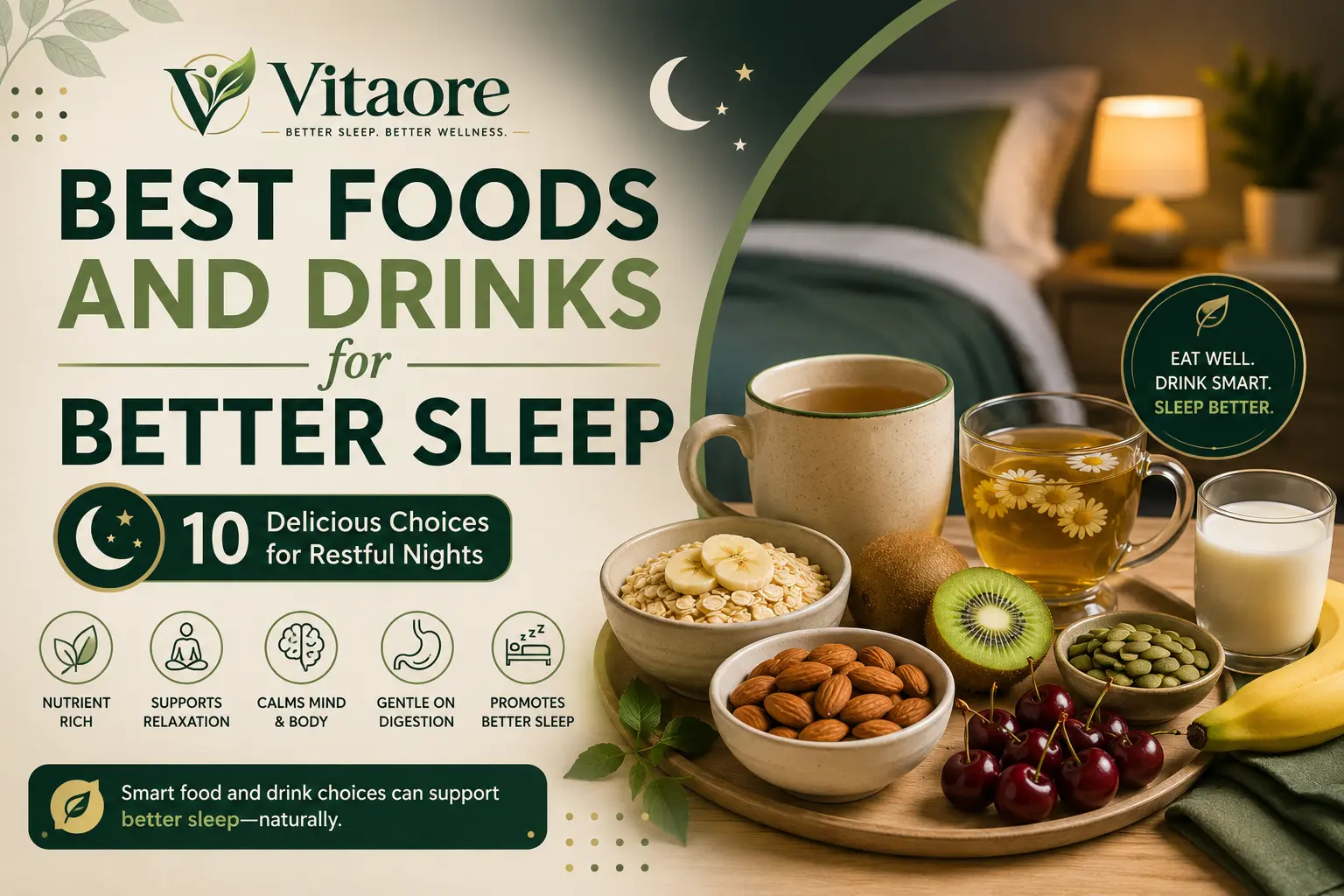
10 Best Foods and Drinks for Better Sleep
1. Kiwi
Kiwi is a nutrient-rich fruit that has been studied for its potential relationship with sleep. Researchers have investigated whether eating kiwi may influence sleep duration, sleep quality, or the ability to fall asleep.
Kiwi provides fiber, vitamin C, and other plant compounds. Researchers have proposed several possible explanations for its relationship with sleep, but the evidence is not strong enough to consider kiwi a treatment for insomnia.
How to try it: Have one or two kiwis as part of a light evening snack, or combine kiwi with plain yogurt.
What to know: Kiwi may be a nutritious addition to your diet, but individual sleep responses vary. Eating kiwi does not guarantee that you will fall asleep faster.
2. Almonds and Other Nuts
Almonds provide magnesium, protein, fiber, and unsaturated fats. Magnesium is involved in normal nerve and muscle function, which is one reason researchers have explored its relationship with sleep.
Other nuts, including walnuts, pistachios, and cashews, can also contribute valuable nutrients to an overall balanced eating pattern. Some nuts contain naturally occurring melatonin as well.
How to try it: Choose a small serving of unsalted almonds or another favorite nut as an evening snack.
What to know: The fact that almonds contain magnesium or other potentially relevant nutrients does not mean almonds directly improve sleep. Human evidence for individual nuts and sleep remains limited.
3. Tart Cherry Juice
Tart cherries and tart cherry juice have attracted attention because cherries naturally contain melatonin and other plant compounds. Some research has investigated tart cherry products in relation to sleep.
However, the evidence is still limited, and tart cherry juice should not be treated as a proven solution for insomnia.
How to try it: If you enjoy tart cherry juice, a modest serving can be incorporated into your diet, preferably while considering the product’s added sugar content.
What to know: More research is needed to determine how meaningful the effects are for people with sleep difficulties. Drinking more juice is not necessarily better.
4. Milk and Other Dairy Foods
Milk, yogurt, and cottage cheese provide protein and contain tryptophan. Dairy foods can therefore fit into a balanced eating pattern that provides nutrients involved in normal body processes.
Milk is also commonly associated with a relaxing bedtime routine. Some research has explored dairy consumption and sleep, but that does not mean warm milk reliably makes everyone sleepy.
How to try it: Consider a small glass of milk or a serving of plain yogurt if you tolerate dairy well.
What to know: The warmth and routine surrounding a bedtime drink may also be relaxing. The effect is not necessarily caused by tryptophan alone.
5. Oatmeal and Whole Grains
Oatmeal and other whole grains provide carbohydrates along with fiber and various vitamins and minerals. Whole grains can be part of a balanced diet and may be a practical option when you want something filling without choosing a heavy meal.
Some research has explored carbohydrate intake and sleep, but the evidence is mixed. It would be too simplistic to say that carbohydrates automatically improve sleep.
How to try it: A small bowl of oatmeal with milk, fruit, or a few nuts can make a simple evening snack.
What to know: Portion size and individual digestion matter. A very large bowl immediately before lying down may be uncomfortable.
6. Bananas
Bananas provide carbohydrates, potassium, vitamin B6, and some magnesium. Vitamin B6 and magnesium are involved in normal physiological processes, making bananas a nutritious choice within an overall balanced diet.
However, the presence of these nutrients does not establish bananas as a direct sleep treatment.
How to try it: Have a banana with a small amount of nut butter or plain yogurt.
What to know: If you are watching your overall calorie intake or have a medical condition requiring dietary restrictions, consider your individual nutritional needs rather than choosing foods solely for their perceived sleep benefits.
7. Lean Protein Foods
Lean protein foods include chicken, fish, eggs, soy foods, and low-fat dairy. Protein foods provide amino acids, including tryptophan, which is involved in the production of serotonin and melatonin.
Turkey is often described as a food that makes people sleepy because it contains tryptophan. In reality, eating turkey does not automatically cause drowsiness. Tryptophan is only one part of a much more complicated process, and turkey is not a special sleep-inducing food.
How to try it: Include lean protein as part of dinner or a light evening snack.
What to know: Very fatty or fried protein foods may be harder to digest for some people, especially close to bedtime.
8. Pumpkin Seeds
Pumpkin seeds provide magnesium, protein, healthy fats, and other nutrients. They can be an easy addition to an otherwise balanced eating pattern.
Magnesium is relevant to normal nervous system function, which is one reason magnesium-rich foods are sometimes discussed in connection with sleep.
How to try it: Add a small amount of pumpkin seeds to oatmeal, yogurt, or a fruit snack.
What to know: Pumpkin seeds are nutritious, but they should not be viewed as a treatment for insomnia. A balanced diet matters more than any individual food.
9. Chamomile Tea
Chamomile tea is a naturally caffeine-free beverage commonly used as part of an evening wind-down routine. Chamomile contains plant compounds, including apigenin, that have been investigated for their possible effects on relaxation and sleep.
Research has produced some promising findings, but it is not strong enough to guarantee better sleep for everyone.
How to try it: Enjoy a cup of unsweetened or lightly sweetened chamomile tea during your relaxing nighttime routine.
What to know: People who are allergic to plants in the daisy family may need to avoid chamomile or discuss its use with a healthcare professional.
10. Water and Other Caffeine-Free Beverages
Adequate hydration supports overall health, and being dehydrated can make you feel unwell. Water is usually the simplest choice when you are thirsty.
Other caffeine-free beverages, such as certain herbal teas or milk, may also fit into an evening routine.
How to try it: Stay adequately hydrated throughout the day rather than trying to drink a large amount immediately before bed.
What to know: Too much fluid close to bedtime can increase nighttime bathroom trips for some people. Your ideal timing depends on your hydration needs and individual habits.
Best Foods to Eat Before Bed
If you are genuinely hungry before bed, you do not necessarily need to go to sleep hungry. A small, balanced snack may be reasonable, especially if it is comfortable for your digestion.
Some options include:
- Plain yogurt with kiwi
- Banana with a small amount of nut butter
- Oatmeal with milk
- A small serving of nuts and fruit
- Whole-grain toast with a light protein source
The goal is not to find a magical combination of foods. Instead, choose something nutritious, satisfying, and comfortable for you.
People who experience reflux, indigestion, or abdominal discomfort may prefer to finish larger meals earlier. NHLBI guidance recommends avoiding heavy or large meals close to bedtime while recognizing that a light snack can be acceptable.
Best Drinks Before Bed
For many people, simple caffeine-free choices are practical evening beverages.
Water: A good option when you are thirsty, although large amounts immediately before bed may increase bathroom trips.
Warm milk: Provides protein and tryptophan and can become part of a relaxing bedtime routine.
Chamomile tea: Naturally caffeine-free and commonly used as an evening beverage.
Other caffeine-free herbal teas: These can provide variety, although the evidence for sleep benefits differs between herbs.
Avoid using alcohol as a sleep aid. Although alcohol can initially make you feel sleepy, it can interfere with sleep later in the night.
Foods and Drinks That May Interfere With Sleep
Some dietary choices can make sleep more difficult, particularly when consumed late in the day.
Caffeine
Coffee is not necessarily a problem for everyone, but caffeine can increase alertness and interfere with sleep. Other sources include:
- Energy drinks
- Caffeinated tea
- Soda
- Chocolate
- Pre-workout products
Caffeine sensitivity varies considerably. NHLBI notes that caffeine’s effects can last for several hours, so late-day consumption may affect nighttime sleep even when you do not feel particularly stimulated.
Alcohol
Alcohol can make you feel sleepy at first, but that does not mean it produces restorative sleep. It can make sleep lighter and increase the likelihood of waking during the night.
Heavy or Large Meals
Large meals close to bedtime can cause fullness, indigestion, or discomfort for some people. They may be particularly problematic if you are prone to reflux.
Spicy Foods
Spicy foods do not automatically cause sleep problems, but they can trigger heartburn or digestive discomfort in some people.
Very Sugary or Highly Processed Foods
There is no need to label every sweet food as a sleep disruptor. However, frequently relying on highly processed, calorie-dense foods may make it harder to maintain an overall nutritious eating pattern. Individual responses also differ.
What Time Should You Stop Eating Before Bed?
There is no universal clock time when everyone needs to stop eating.
Your ideal meal timing depends on your schedule, meal size, digestion, activity level, and whether you experience reflux or other discomfort.
If you regularly experience discomfort when eating late, try moving larger meals earlier and keeping any evening snack smaller. NHLBI recommends avoiding heavy or large meals within a few hours of bedtime.
Rather than following a rigid rule, pay attention to how different meal sizes and timing affect your sleep.
Does Eating Before Bed Make You Gain Weight?
Eating at night does not automatically cause weight gain.
Overall calorie intake, food choices, physical activity, sleep, and individual factors all contribute to body weight. A nighttime snack can fit into a balanced eating pattern if it matches your nutritional needs.
The bigger concern may be what you eat and how often. A routine of frequent, large, calorie-dense snacks late at night can increase total calorie intake for some people.
There is no need to fear a small, nutritious snack simply because the clock says it is nighttime.
Can Food Cure Insomnia?
No single food can be considered a cure for insomnia.
Food choices may support overall health and can sometimes make a bedtime routine more comfortable, but they should not replace appropriate evaluation or treatment for a sleep disorder.
If you regularly struggle to fall asleep, stay asleep, or function normally during the day because of poor sleep, speak with a healthcare professional. Persistent insomnia may require an approach that goes beyond diet and general lifestyle habits.
How to Build a Sleep-Friendly Eating Pattern
Instead of focusing on one “perfect” food, build your diet around consistent, nutritious choices.
Try to:
- Eat a varied, balanced diet.
- Include fruits and vegetables regularly.
- Choose whole grains often.
- Include adequate protein.
- Include sources of unsaturated fats.
- Stay adequately hydrated during the day.
- Pay attention to caffeine timing.
- Limit alcohol if it disrupts your sleep.
- Avoid very large meals close to bedtime.
- Notice foods that personally trigger reflux or digestive discomfort.
Sleep and nutrition are connected, but eating perfectly cannot compensate for consistently inadequate sleep or an untreated sleep disorder.
A Simple Sleep-Friendly Snack Guide
| If you’re craving… | Consider… |
|---|---|
| Something sweet | Kiwi, banana, or fruit with plain yogurt |
| Something crunchy | A small serving of almonds or pumpkin seeds |
| Something warm | Warm milk or caffeine-free herbal tea |
| Something filling | A small bowl of oatmeal with milk |
| Something savory | Whole-grain toast with a light protein source |
These are practical examples, not guaranteed sleep remedies. Choose foods based on your preferences, nutritional needs, and how your body responds.
Does Diet Matter More Than Sleep Hygiene?
Diet is only one part of healthy sleep.
A nutritious eating pattern works alongside other habits, including:
- Keeping a consistent sleep schedule
- Creating a comfortable sleep environment
- Limiting stimulating activities before bed
- Staying physically active during the day
- Managing caffeine timing
- Allowing enough time for sleep
NHLBI recommends habits such as keeping a regular sleep schedule, getting daytime physical activity, limiting caffeine and alcohol near bedtime, and avoiding heavy meals close to bedtime.
If your sleep remains poor despite making healthy lifestyle changes, diet may not be the underlying issue.
If you’re also exploring sleep-support supplements, our Yu Sleep review takes a closer look at its ingredients, potential benefits, safety considerations, customer feedback, pricing, and available evidence.
When Should You Talk to a Healthcare Professional?
Consider discussing your sleep with a healthcare professional if you:
- Frequently struggle to fall asleep
- Regularly wake during the night
- Consistently wake feeling unrefreshed
- Experience excessive daytime sleepiness
- Snore loudly or wake gasping or choking
- Have persistent insomnia
- Have sleep problems that affect work, school, driving, or daily activities
Persistent sleep problems can have many possible causes. A healthcare professional can consider your symptoms, medications, health history, lifestyle, and sleep habits and determine whether further evaluation is appropriate.
Frequently Asked Questions
What are the best foods and drinks for better sleep?
There is no single best food for everyone. Nutritious options that may fit a sleep-friendly eating pattern include kiwi, almonds and other nuts, tart cherry products, dairy foods, oatmeal, bananas, lean proteins, pumpkin seeds, chamomile tea, and caffeine-free beverages. Evidence for individual foods varies, so they should be viewed as components of a healthy diet rather than guaranteed sleep remedies.
What should I eat before bed to sleep better?
If you are hungry before bed, a small and balanced snack may be reasonable. Examples include plain yogurt with kiwi, banana with a small amount of nut butter, oatmeal with milk, or a small serving of nuts and fruit. Avoid very large or heavy meals if they cause discomfort. Your personal tolerance matters more than following a rigid bedtime food rule.
Does kiwi help you sleep?
Kiwi has been studied for its possible relationship with sleep, and some research has reported potential benefits. However, the available evidence is not strong enough to say that kiwi reliably improves sleep for everyone. Kiwi is still a nutritious fruit that can easily fit into an overall healthy eating pattern.
Does warm milk actually help with sleep?
Warm milk may be relaxing as part of a familiar bedtime routine, and milk contains protein and tryptophan. However, there is not enough evidence to say that warm milk reliably makes everyone fall asleep. If you enjoy it and tolerate dairy well, a small glass can be a reasonable caffeine-free evening choice.
Is chamomile tea good before bed?
Chamomile tea is naturally caffeine-free and is commonly consumed as part of an evening wind-down routine. Some research has explored chamomile’s potential effects on sleep, but the evidence is not strong enough to guarantee a benefit. People allergic to plants in the daisy family should be cautious because chamomile belongs to that plant family.
Does tart cherry juice help you sleep?
Tart cherry juice has received attention because tart cherries naturally contain melatonin and other compounds that have been studied in relation to sleep. Some research suggests potential benefits, but the evidence remains limited. Tart cherry juice should not be considered a treatment for insomnia, and products can contain substantial amounts of sugar.
What foods should I avoid before bed?
There is no universal list of foods everyone must avoid. However, caffeine may interfere with sleep, while alcohol can disrupt sleep later in the night. Large, heavy, spicy, or high-fat meals may cause reflux or digestive discomfort in some people. Pay attention to your own responses and consider moving larger meals earlier when they affect your sleep.
Does caffeine affect sleep?
Yes. Caffeine is a stimulant that can increase alertness and may interfere with sleep, particularly when consumed later in the day. Coffee is one source, but caffeine can also come from tea, soda, energy drinks, chocolate, and some pre-workout products. Individual sensitivity varies, so consider both the amount you consume and the time of day.
Medical Disclaimer
This article is for general educational purposes only and does not replace individualized medical advice, diagnosis, or treatment. If you have persistent or significant sleep problems, speak with a qualified healthcare professional.