Best Foods for Eye Health: What to Eat for Healthy Vision
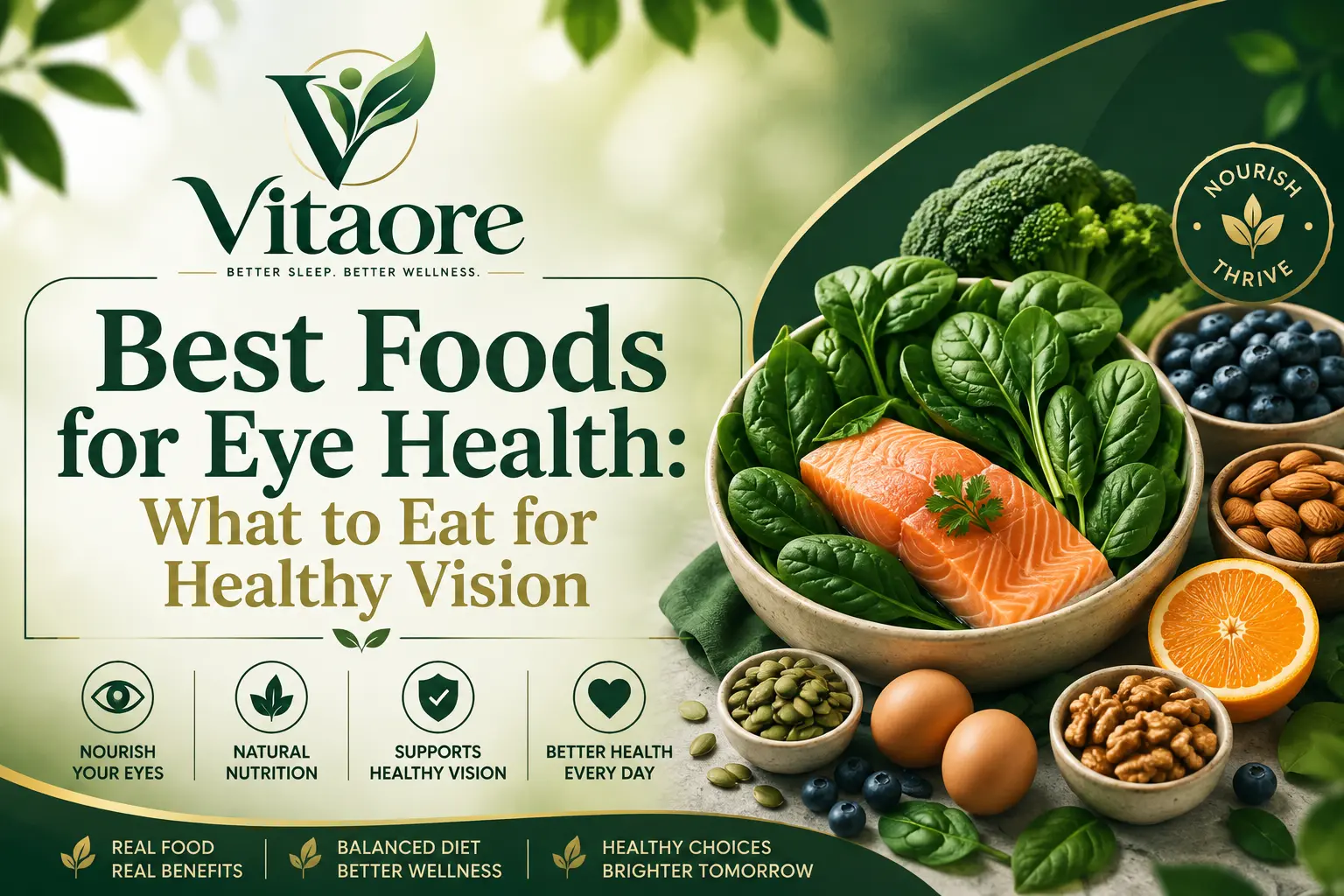
A healthy diet can provide many of the nutrients your eyes need for normal function. The best foods for eye health include dark leafy greens, fish, eggs, colorful fruits and vegetables, nuts, seeds, beans, and whole grains. These foods provide nutrients such as lutein, zeaxanthin, vitamin A, vitamin C, vitamin E, zinc, and omega-3 fatty acids. However, no single food guarantees perfect vision or prevents every eye condition. A varied eating pattern, along with regular eye care and other healthy habits, is a more sensible approach to supporting long-term eye health.
8 Best Foods for Eye Health
There is no single “superfood” that can protect your eyesight on its own. Instead, aim for variety and include different nutrient-rich foods throughout the week.
1. Leafy Green Vegetables
Spinach, kale, collard greens, and broccoli are among the most useful foods to include in a diet focused on eye health. Dark leafy greens provide lutein and zeaxanthin, carotenoids that are found in the retina.
Including these vegetables regularly can help you obtain important nutrients as part of a balanced diet. The National Eye Institute specifically recommends dark leafy greens as part of healthy eating for eye health.
2. Fatty Fish
Salmon, tuna, sardines, trout, and halibut provide omega-3 fatty acids. Fish is particularly useful because it provides these fats in a food-based form alongside protein and other nutrients.
The National Eye Institute recommends fish such as salmon, tuna, and halibut as part of a healthy diet for eye health. This does not mean eating fish will cure an eye condition, but it can contribute to an overall nutritious eating pattern.
3. Eggs
Eggs can provide several nutrients relevant to eye health, including lutein and zeaxanthin, particularly in the yolk. They can also be an easy source of protein in a balanced diet.
Rather than relying on eggs alone, consider combining them with vegetables and whole grains for a more varied meal.
4. Colorful Fruits and Vegetables
Carrots, sweet potatoes, pumpkin, bell peppers, oranges, and strawberries provide different vitamins, carotenoids, and other plant compounds.
Orange vegetables are particularly well known for beta carotene, which the body can convert into vitamin A. Vitamin A is important for normal vision, but consuming more of it is not automatically better when your nutritional needs are already being met.
5. Citrus Fruits and Other Vitamin C-Rich Foods
Oranges, grapefruit, kiwi, strawberries, and bell peppers can help provide vitamin C.
Vitamin C is an essential nutrient involved in normal body function. Including a variety of fruits and vegetables is generally more useful than focusing on one particular source.
6. Nuts and Seeds
Almonds, walnuts, sunflower seeds, chia seeds, and flaxseeds can provide healthy fats, vitamin E, minerals, and other nutrients.
Walnuts, chia seeds, and flaxseeds also provide plant-based omega-3 fatty acids. They can make convenient additions to oatmeal, salads, yogurt, or snacks.
7. Beans and Legumes
Lentils, black beans, chickpeas, and kidney beans provide protein, fiber, minerals, and other nutrients.
They are not “vision boosters” in isolation, but they can contribute to a nutritious dietary pattern that supports overall health. Beans and legumes are also useful alternatives to highly processed foods when building balanced meals.
8. Whole Grains and Other Nutrient-Rich Foods
Oatmeal, brown rice, barley, and other whole grains can contribute to a balanced diet. Pairing them with vegetables, beans, fish, or other nutrient-rich foods creates meals with a broader range of nutrients.
The bigger picture matters more than finding one perfect food.
Which Nutrients Matter Most for Eye Health?
Several nutrients frequently appear in discussions about nutrition and eye health.
Lutein and zeaxanthin: These carotenoids are found in the retina and are particularly abundant in dark leafy greens.
Vitamin A: Vitamin A is required for normal vision. Beta carotene from foods such as carrots and sweet potatoes can be converted into vitamin A by the body.
Vitamin C and vitamin E: Both are essential nutrients involved in normal body functions and are found in a variety of fruits, vegetables, nuts, and seeds.
Zinc: Zinc is an essential mineral involved in many biological processes, including functions related to normal vision.
Omega-3 fatty acids: Fatty fish are an important dietary source of omega-3s and can fit into an overall healthy eating pattern.
Can Food Improve Your Eyesight?
A healthy diet can support eye health, but food should not be presented as a way to restore lost eyesight or cure an eye disease.
Nutrition is one part of maintaining overall health. Regular eye examinations are also important because some eye diseases may develop without obvious symptoms.
If you experience persistent blurry vision, eye pain, sudden changes in vision, or other concerning symptoms, seek appropriate professional eye care rather than relying on dietary changes.
Do You Need Supplements for Eye Health?
A balanced diet is an important foundation, but supplements are different because they provide concentrated amounts of selected nutrients. Whether a supplement is appropriate depends on the ingredients, doses, individual circumstances, and the evidence supporting its intended use.
For example, AREDS2 supplements have been studied for people with specific stages of age-related macular degeneration. They are not a general recommendation for everyone with healthy eyes.
If you’re also researching eye-health supplements, our VisiFlora Reviews guide examines the formula, ingredients, potential benefits, safety considerations, pricing, and available evidence.
What About Carrots and Eye Health?
Carrots are nutritious and contain beta carotene, which the body can use to make vitamin A. However, eating large amounts of carrots does not guarantee perfect vision.
The better approach is to eat a variety of foods, including leafy greens, fish, colorful vegetables, fruits, nuts, seeds, and other nutrient-rich choices.
A Simple Daily Eating Pattern for Healthy Eyes
You do not need a complicated diet. Try building meals around a variety of whole foods.
Breakfast
- Eggs with vegetables
- Fruit
- Oatmeal or another whole grain
Lunch
- Leafy green salad
- Beans or lean protein
- Colorful vegetables
Dinner
- Salmon or another fish
- Broccoli, spinach, or other vegetables
- Whole grains or legumes
Snacks
- Nuts
- Seeds
- Fresh fruit
The goal is variety rather than perfection.
When Should You See an Eye Care Professional?
Diet is only one part of maintaining eye health. Seek professional evaluation for symptoms such as:
- Sudden vision changes
- Persistent blurry vision
- Eye pain
- Flashes of light
- A sudden increase in floaters
- Loss of vision
- Persistent or worsening eye symptoms
Food and supplements should not replace appropriate eye care.
The Bottom Line
The best foods for eye health are not one particular fruit, vegetable, or supplement. A varied diet that includes leafy greens, fish, colorful fruits and vegetables, eggs, nuts, seeds, beans, and whole grains can provide nutrients that support overall health and normal eye function. No single food guarantees perfect vision. Supplements are a separate consideration and should not replace a nutritious diet or professional eye care when symptoms or concerns arise.
Medical Disclaimer
This article is for general educational purposes only and does not replace individualized medical advice, diagnosis, or treatment. If you have persistent, severe, or unexplained vision changes or eye symptoms, speak with a qualified eye care professional.