Lutein and Zeaxanthin for Eye Health: Benefits, Foods & Safety
Lutein and zeaxanthin are two carotenoids concentrated in the retina and macula, which is why they have attracted so much attention in eye-health research. But does taking more of them actually improve vision? The answer depends on your diet, health, and the condition being studied.
In this guide, we’ll look at what lutein and zeaxanthin do, their potential eye-health benefits, food sources, supplement research, possible side effects, and what the evidence actually shows.
Key Takeaways
- Lutein and zeaxanthin are carotenoids that naturally accumulate in the retina and macula.
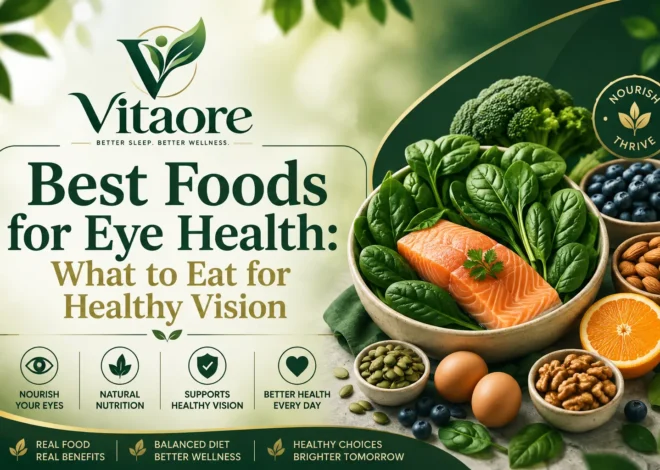
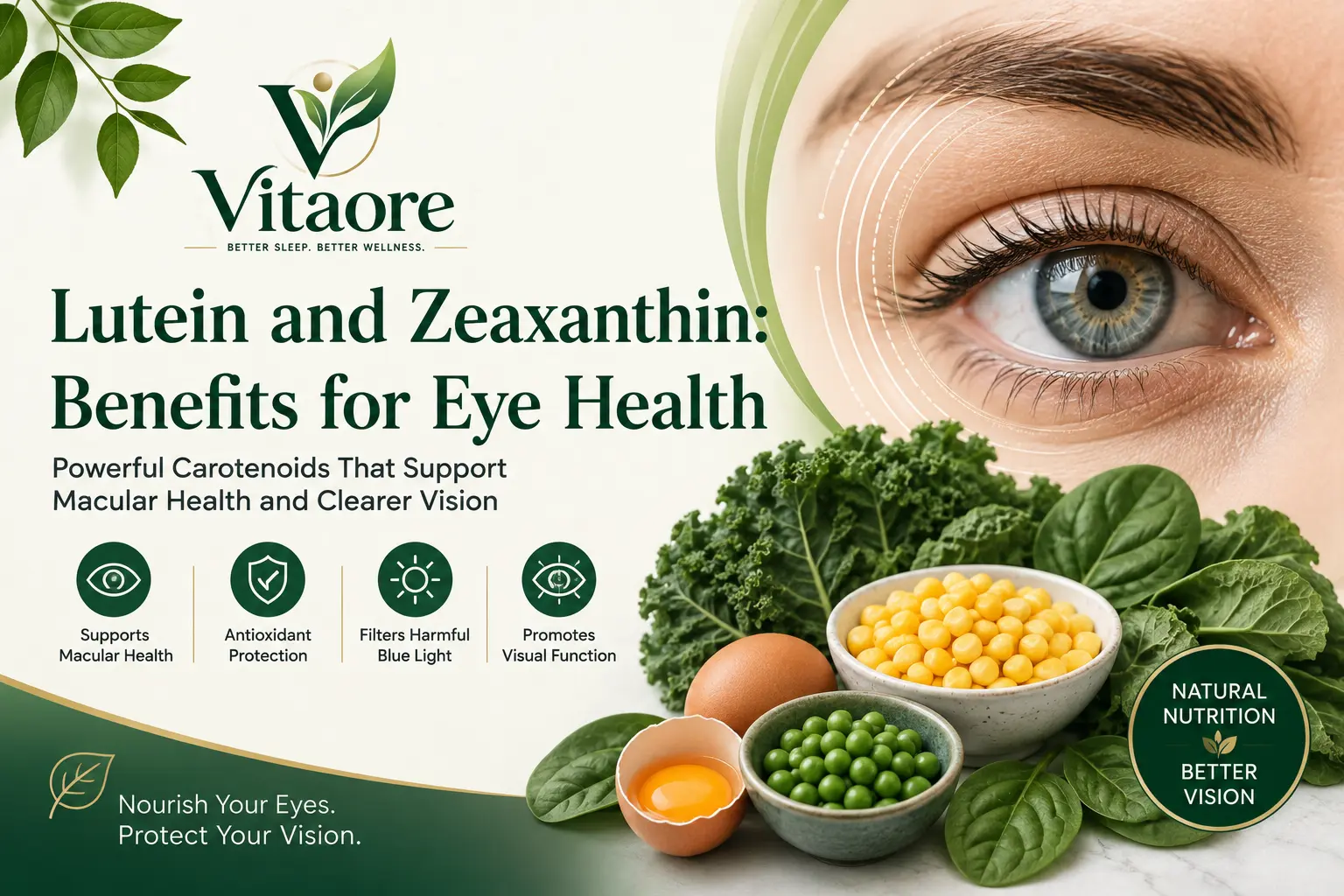
- They are found in foods such as leafy greens, peas, broccoli, corn, and egg yolks.
- Research on supplements is strongest in specific people with age-related macular degeneration (AMD), rather than healthy adults generally.
- AREDS2 used 10 mg of lutein and 2 mg of zeaxanthin as part of a specific supplement formula; this is not a universal daily recommendation.
- A varied, nutrient-rich diet can provide these carotenoids, while people with an eye condition should discuss supplements with an eye-care professional.
What Are Lutein and Zeaxanthin?
Lutein and zeaxanthin are naturally occurring carotenoids, a group of plant pigments found in many green, yellow, and orange foods. They are also found in high concentrations in the human retina and macula, where they contribute to the macular pigment.
The macula is important for central vision, including activities such as reading, recognizing faces, and seeing fine details. Lutein and zeaxanthin are often discussed together because they have similar biological properties and are both concentrated in this part of the eye.
Your body does not produce these carotenoids in sufficient amounts on its own, so they come primarily from dietary sources or supplements.
Lutein and Zeaxanthin: Benefits for Eye Health
Macular Health
One reason these nutrients receive so much attention is their concentration in the macula. Research suggests that macular pigment containing lutein and zeaxanthin may help filter some short-wavelength light and may contribute to protection against oxidative stress in retinal tissues.
This does not mean that eating more lutein or zeaxanthin guarantees better eyesight or prevents every eye condition. Their biological role is promising, but individual outcomes can vary.
Antioxidant Activity
Lutein and zeaxanthin have antioxidant properties. Antioxidants help the body deal with oxidative stress caused by unstable molecules called free radicals.
Because the retina is metabolically active and exposed to light, researchers have investigated whether antioxidant carotenoids could help support retinal health. However, antioxidant activity in the body should not automatically be interpreted as proof that a supplement prevents an eye disease.
Light Filtering
Lutein and zeaxanthin are part of the macular pigment, which can absorb certain wavelengths of visible light. Researchers have therefore investigated whether these carotenoids may help reduce light-related oxidative stress in retinal tissues.
This should not be confused with evidence that lutein or zeaxanthin supplements prevent screen-related eye strain. Digital eye discomfort is influenced by factors such as prolonged close-up viewing, reduced blinking, glare, and screen habits.
Visual Function
Clinical research has examined outcomes including macular pigment density, visual acuity, contrast sensitivity, glare, and other aspects of visual function. Results have not been identical across all studies, and the effects can depend on the population, formulation, dose, and condition being studied.
For that reason, lutein and zeaxanthin should not be promoted as guaranteed vision-improving nutrients.
What Does Research Say About Lutein and Zeaxanthin?
Research can be divided into several different categories, and keeping them separate is important.
Observational Research
Observational studies have examined whether dietary intake or higher levels of lutein and zeaxanthin are associated with certain eye health outcomes. These studies can identify relationships, but they cannot by themselves prove that eating more of these nutrients causes a particular health outcome.
Clinical Trials
Researchers have also tested lutein and zeaxanthin supplements in controlled studies. Some research has found increases in macular pigment after supplementation, while other outcomes have been more variable.
This means evidence for changing a biological marker is not automatically evidence that a person will experience noticeably better vision.
AMD Evidence
The AREDS2 study provides the most relevant clinical evidence for people with specific stages of age-related macular degeneration (AMD). The study tested lutein (10 mg) and zeaxanthin (2 mg) as part of an AREDS2 supplement formulation in adults who were already at risk of progressing to advanced AMD.
In the overall primary analysis, adding lutein and zeaxanthin to the original AREDS formula did not significantly reduce progression to advanced AMD. However, further analysis found that participants with the lowest dietary intake of lutein and zeaxanthin had a 26% lower risk of progressing to advanced AMD when they received these nutrients compared with the corresponding control group.
This evidence should not be interpreted as a recommendation for every healthy adult to take a lutein and zeaxanthin supplement. AREDS2 was designed for people with specific stages of AMD, and the formulation contained several other vitamins and minerals as well.
Can Lutein and Zeaxanthin Improve Vision?
Not necessarily.
Research has investigated whether these nutrients can influence visual outcomes such as macular pigment density, contrast sensitivity, glare, and visual acuity. Some studies have reported improvements in particular measures, while results have varied between populations and research designs.
Therefore, it would be misleading to promise that taking lutein and zeaxanthin will make your eyesight sharper or eliminate existing vision problems.
Their potential role is better understood as part of nutrition and eye health research rather than as a guaranteed vision improvement treatment.
Foods High in Lutein and Zeaxanthin
A varied diet can provide lutein and zeaxanthin without relying exclusively on supplements.
| Food | Why It Is Relevant |
|---|---|
| Kale | Rich source of lutein and zeaxanthin |
| Spinach | Concentrated source of these carotenoids |
| Collard greens | Provides carotenoids and other nutrients |
| Broccoli | Provides lutein and zeaxanthin |
| Egg yolks | Contains lutein and zeaxanthin |
| Corn | Provides carotenoids |
| Peas | Provides lutein and other nutrients |
| Colorful vegetables | Can provide a variety of carotenoids |
Dark green vegetables such as spinach and kale are particularly useful dietary sources. Other sources include peas, broccoli, corn, peppers, squash, and egg yolks.
Rather than focusing on one “superfood,” it makes more sense to include a variety of vegetables, fruits, legumes, whole grains, and other nutrient-rich foods in your overall diet.
Lutein and Zeaxanthin Dosage
There is currently no established Recommended Dietary Allowance, or RDA, specifically for lutein or zeaxanthin. Research and supplement formulations have used different amounts depending on the purpose of supplementation.
Amounts such as 10 mg of lutein and 2 mg of zeaxanthin were used in the AREDS2 clinical trial, but those amounts were part of a specific supplement formulation studied in people with particular stages of AMD. They should not be interpreted as a universal daily dosage for healthy adults.
The appropriate amount, if supplementation is appropriate at all, depends on the individual and the reason for taking it.
Are Lutein and Zeaxanthin Supplements Safe?
Available research generally suggests that lutein and zeaxanthin are well tolerated at studied amounts, but that does not mean every supplement is appropriate for every person.
Very high intake of carotenoids can sometimes contribute to harmless skin discoloration called carotenemia. Individual reactions can also vary, particularly when supplements are combined with other products or medications.
If you take prescription medications, have an eye condition, or are considering a high-dose supplement, discuss your options with a qualified healthcare professional.
Lutein and Zeaxanthin Supplements vs. Food
Food
Food provides lutein and zeaxanthin alongside other nutrients and beneficial dietary components. Leafy greens and colorful vegetables can therefore be part of a broader eating pattern that supports overall nutrition.
Supplements
Supplements provide concentrated amounts of specific nutrients and can have a role in certain clinical situations. AREDS2 is one example where a specific formulation was studied in people with particular stages of AMD.
The important point is that supplements should not automatically be considered better than food. For most people, a nutrient-rich diet remains an important foundation.
Do You Need Lutein and Zeaxanthin Supplements?
Not necessarily.
Someone who eats a varied diet can obtain lutein and zeaxanthin from foods such as leafy greens, vegetables, corn, peas, and egg yolks. Supplementation may be appropriate in specific circumstances, but the clinical evidence does not mean that every healthy adult needs a dedicated lutein and zeaxanthin supplement.
People with AMD or another diagnosed eye condition should discuss supplementation with an eye care professional rather than choosing a high-dose product based solely on general health claims.
Can Lutein and Zeaxanthin Help With Screen-Related Eye Strain?
Lutein and zeaxanthin are concentrated in the macula and have antioxidant and light filtering properties, but this does not establish that supplementation prevents digital eye strain.
Screen-related discomfort is more closely associated with factors such as prolonged close-up focusing, reduced blinking, glare, and extended screen sessions. Practical screen habits should therefore remain the first consideration for people experiencing digital eye discomfort.
What About Lutein and Zeaxanthin in Eye Health Supplements?
Many commercial eye health supplements include lutein and zeaxanthin because of their connection with macular health and the research surrounding these carotenoids.
If you’re researching an eye health supplement that contains carotenoids such as lutein or zeaxanthin, our VisiFlora Reviews guide examines its ingredients, potential benefits, safety considerations, pricing, customer feedback, and available evidence.
The evidence for individual ingredients should still be considered separately from evidence for any finished supplement formula.
Who Should Talk With an Eye Care Professional?
Professional guidance is particularly important if you:
- Have AMD or another diagnosed eye condition
- Take multiple medications
- Are considering high-dose supplements
- Have unexplained changes in vision
- Experience sudden vision loss
- Experience eye pain
- Notice new flashes of light
- Experience a sudden increase in floaters
Supplements should not replace eye examinations, diagnosis, or recommended treatment.
The Bottom Line
The benefits of lutein and zeaxanthin for eye health are best understood by distinguishing between biological activity, nutrition research, supplementation studies, and disease-specific clinical evidence. These carotenoids are concentrated in the macula and have antioxidant and light-filtering properties. Research is particularly relevant to certain AMD populations, but that does not mean everyone needs supplements. Including leafy greens and other carotenoid-rich foods in a varied diet is a practical foundation, while supplementation should be considered according to individual circumstances and professional guidance.
References
- National Eye Institute (NEI). AREDS/AREDS2 Clinical Trials.
View the National Eye Institute research summary - National Eye Institute (NEI). AREDS/AREDS2 Frequently Asked Questions.
View the NEI AREDS/AREDS2 FAQ - National Institutes of Health, Office of Dietary Supplements. Vitamin A and Carotenoids – Health Professional Fact Sheet.
View the NIH Office of Dietary Supplements fact sheet - AREDS2 Research Group. Lutein + zeaxanthin and omega-3 fatty acids for age-related macular degeneration: the AREDS2 randomized clinical trial. JAMA. 2013.
View the PubMed record
Medical Disclaimer
This article is for general educational purposes only and does not replace individualized medical advice, diagnosis, or treatment. Speak with a qualified healthcare professional before using a dietary supplement, especially if you have an eye condition, take medications, are pregnant or breastfeeding, or experience persistent or sudden changes in vision.